Top 15 best portfolio websites for designers in 2026
Refs Editorial · March 26, 2026
These portfolio websites are strong references for designers because they balance personality, hierarchy, and project storytelling without making the work harder to scan.
Projects to compare
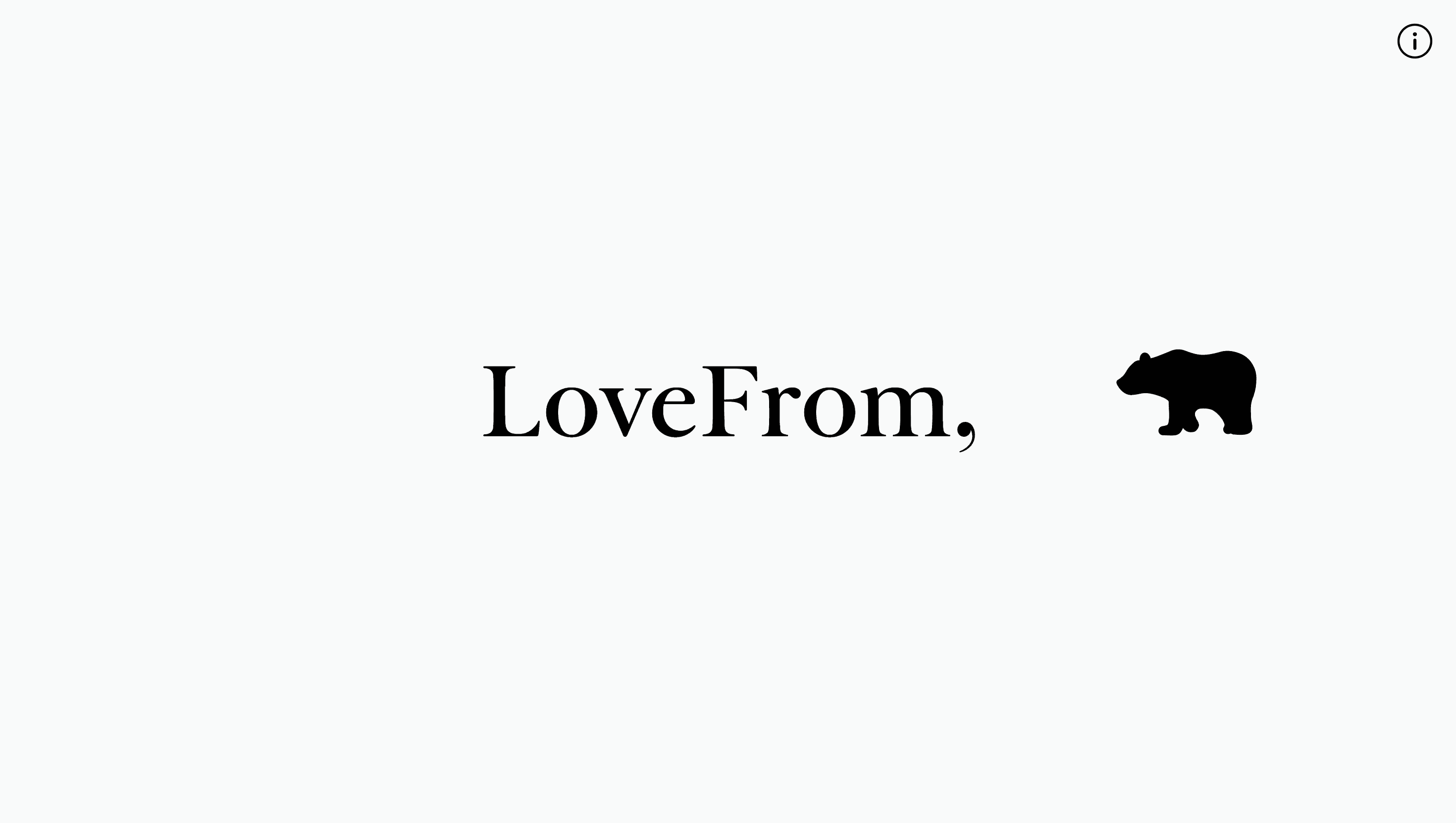
LoveFrom,
LoveFrom, is one of the stronger portfolio references in this set because it combines minimal, storytelling, portfolio cues with a structure that stays easy to scan. It is especially useful for studying how the designer introduces themselves, sequences work, and keeps personality visible without reducing clarity, not just collecting surface-level visual inspiration.
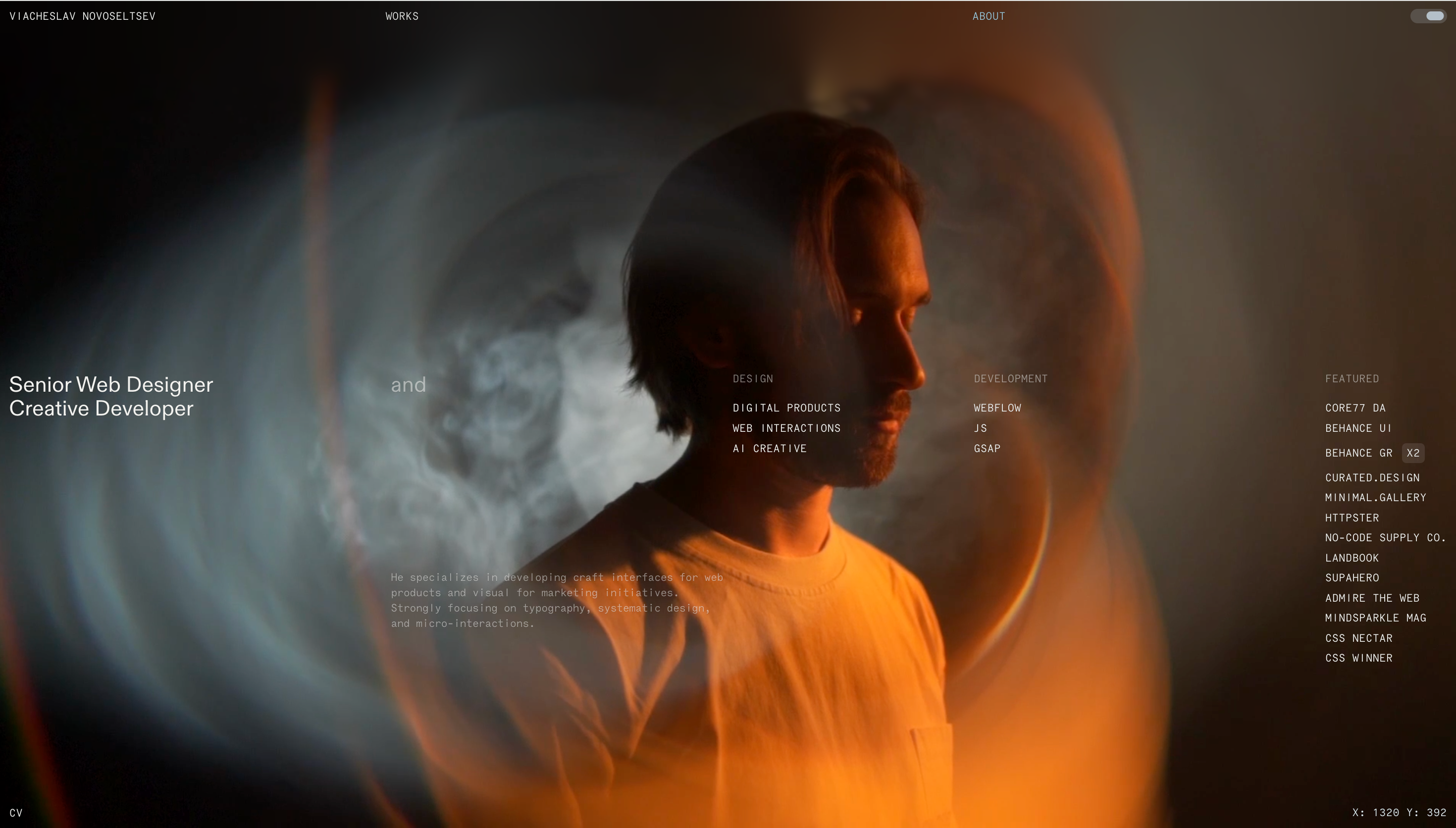
Viacheslav Novoseltsev
Viacheslav Novoseltsev is one of the stronger portfolio references in this set because it combines designer, portfolio, personal cues with a structure that stays easy to scan. It is especially useful for studying how the designer introduces themselves, sequences work, and keeps personality visible without reducing clarity, not just collecting surface-level visual inspiration.
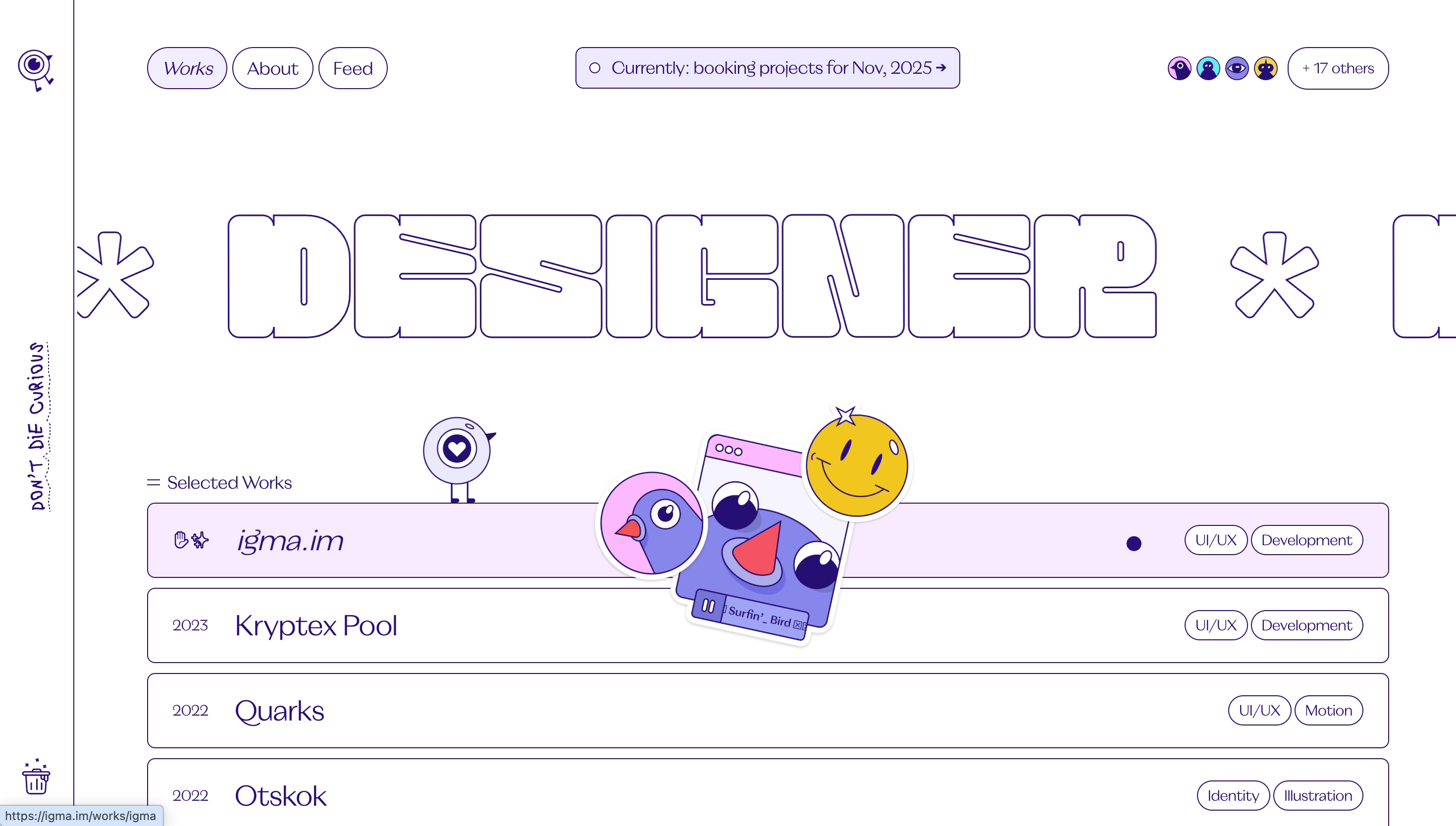
Igor Mahr
Igor Mahr is one of the stronger portfolio references in this set because it combines developer, designer, portfolio cues with a structure that stays easy to scan. It is especially useful for studying how the designer introduces themselves, sequences work, and keeps personality visible without reducing clarity, not just collecting surface-level visual inspiration.
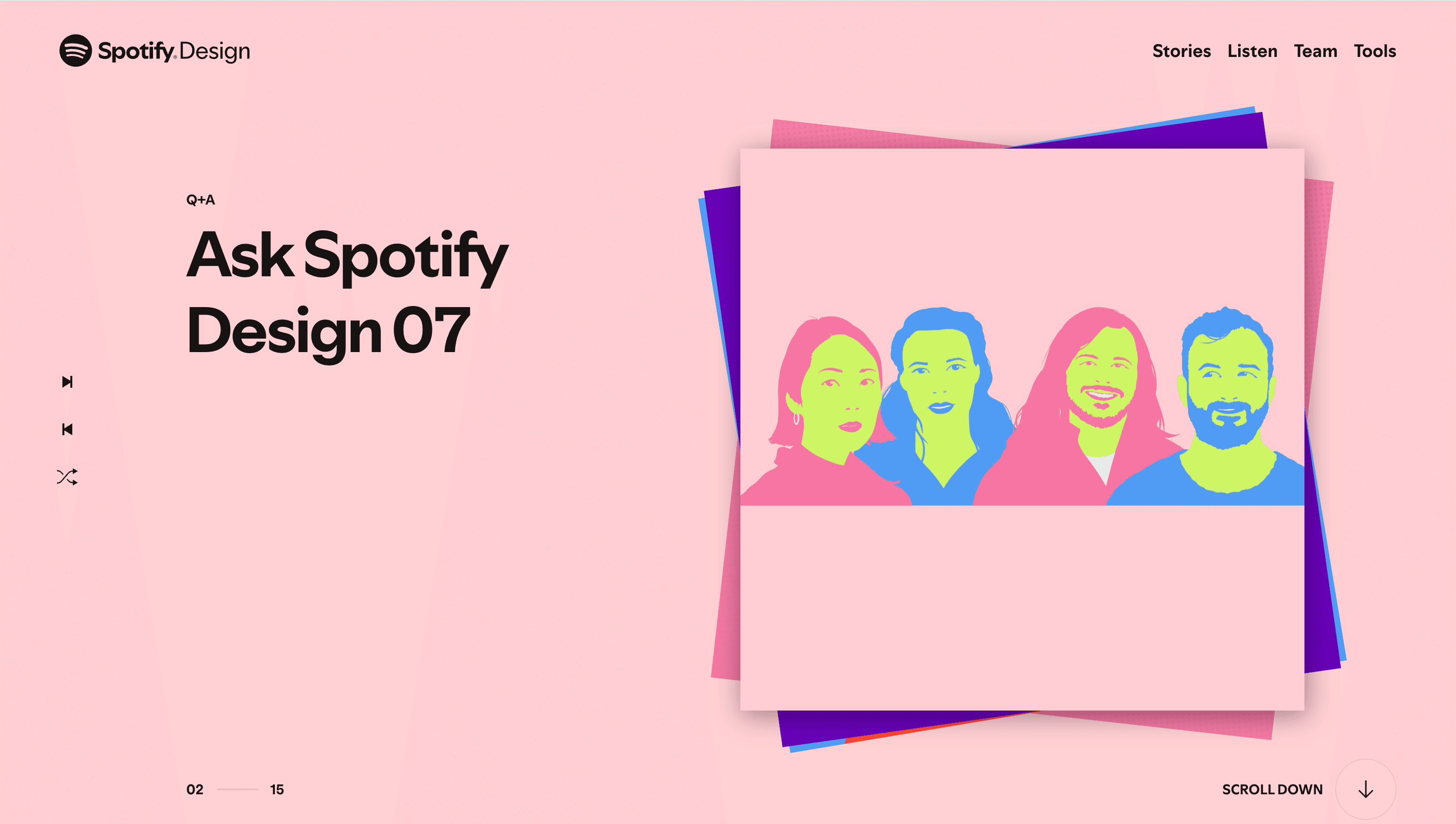
Spotify.Design
Spotify.Design is one of the stronger portfolio references in this set because it combines colorful, portfolio, illustration cues with a structure that stays easy to scan. It is especially useful for studying how the designer introduces themselves, sequences work, and keeps personality visible without reducing clarity, not just collecting surface-level visual inspiration.
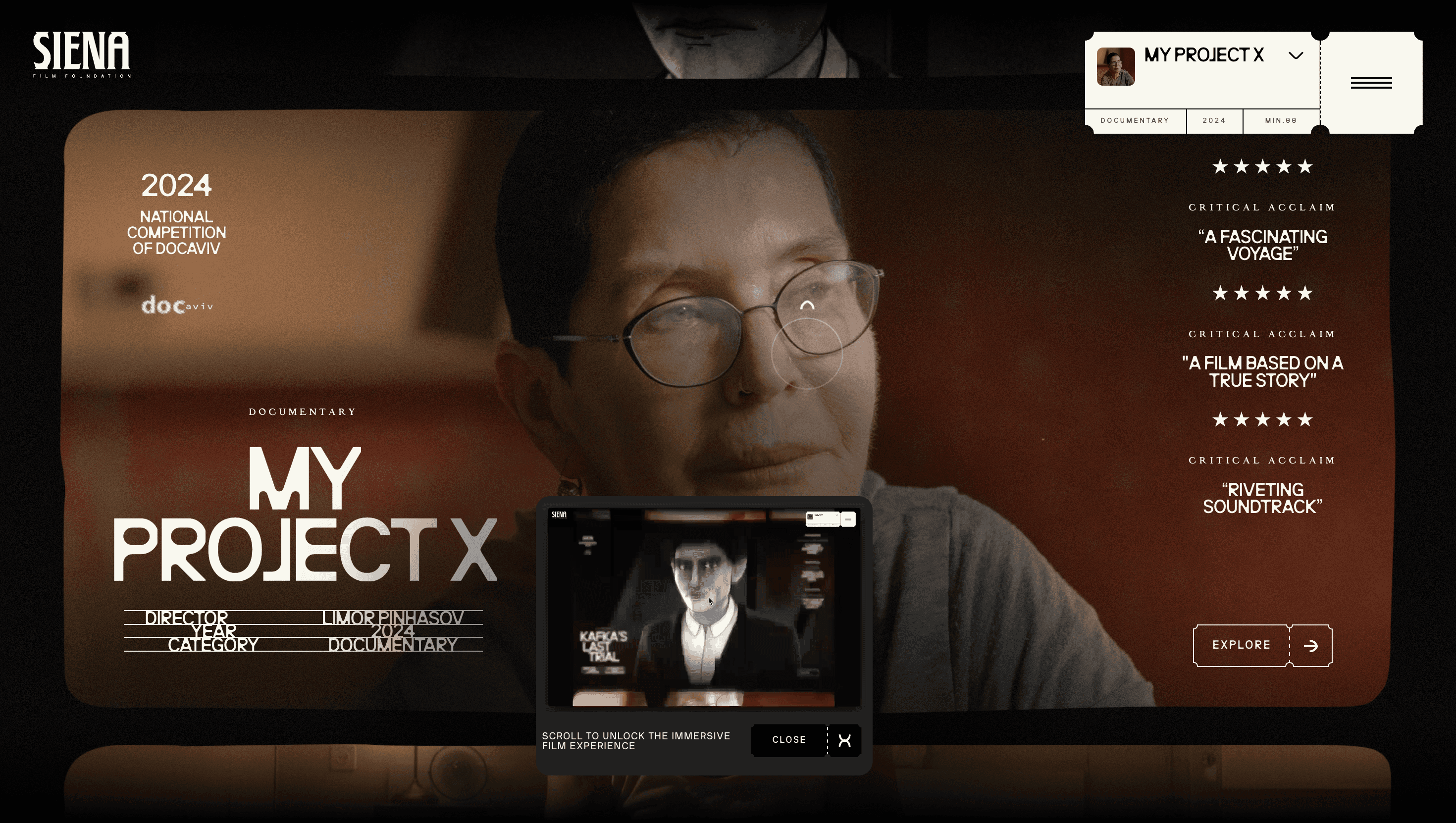
Siena Film Foundation
Siena Film Foundation is one of the stronger portfolio references in this set because it combines storytelling, minimal, motion cues with a structure that stays easy to scan. It is especially useful for studying how the designer introduces themselves, sequences work, and keeps personality visible without reducing clarity, not just collecting surface-level visual inspiration.
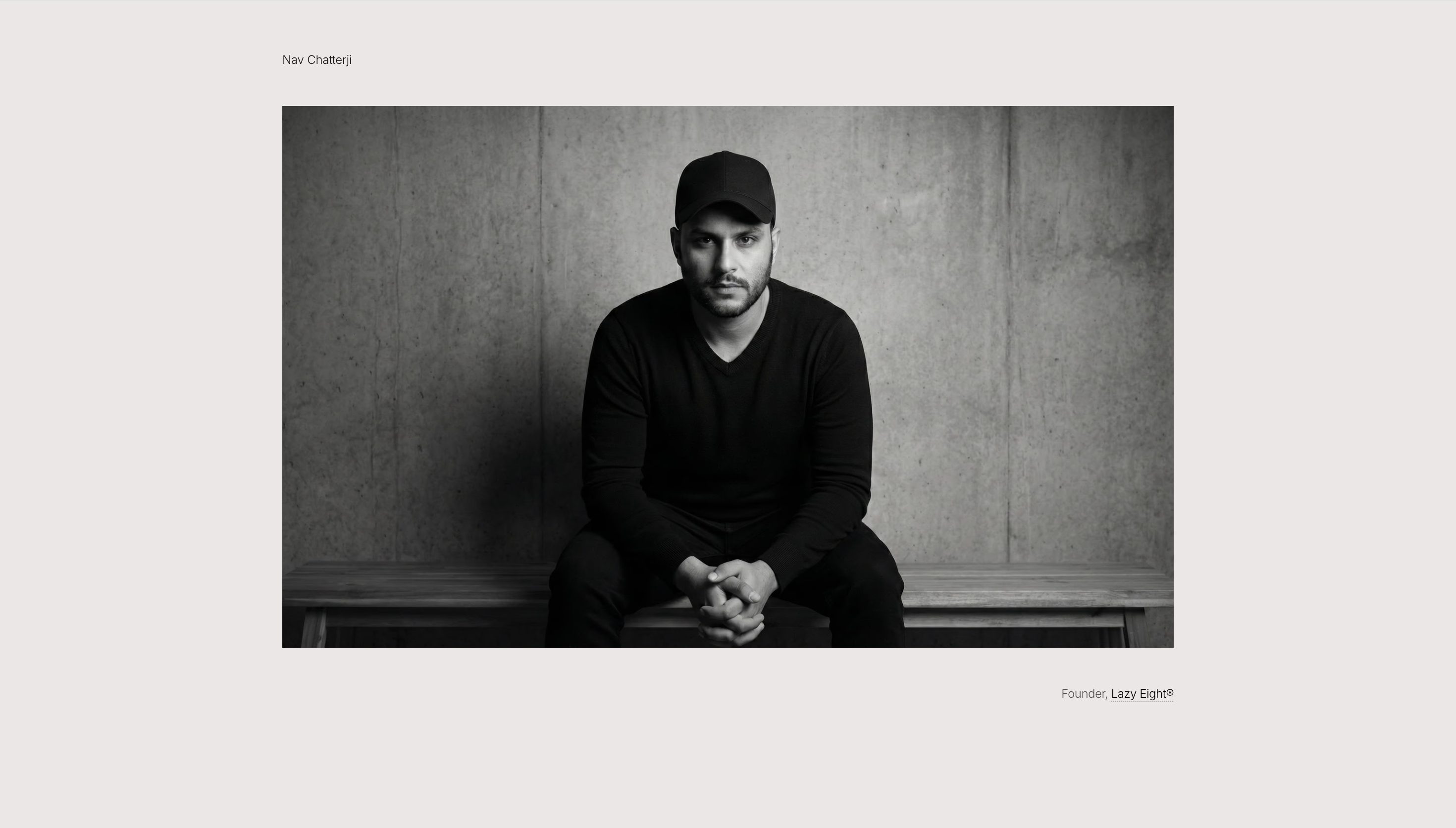
Nav Chatterji
Nav Chatterji is one of the stronger portfolio references in this set because it combines personal, portfolio, designer cues with a structure that stays easy to scan. It is especially useful for studying how the designer introduces themselves, sequences work, and keeps personality visible without reducing clarity, not just collecting surface-level visual inspiration.
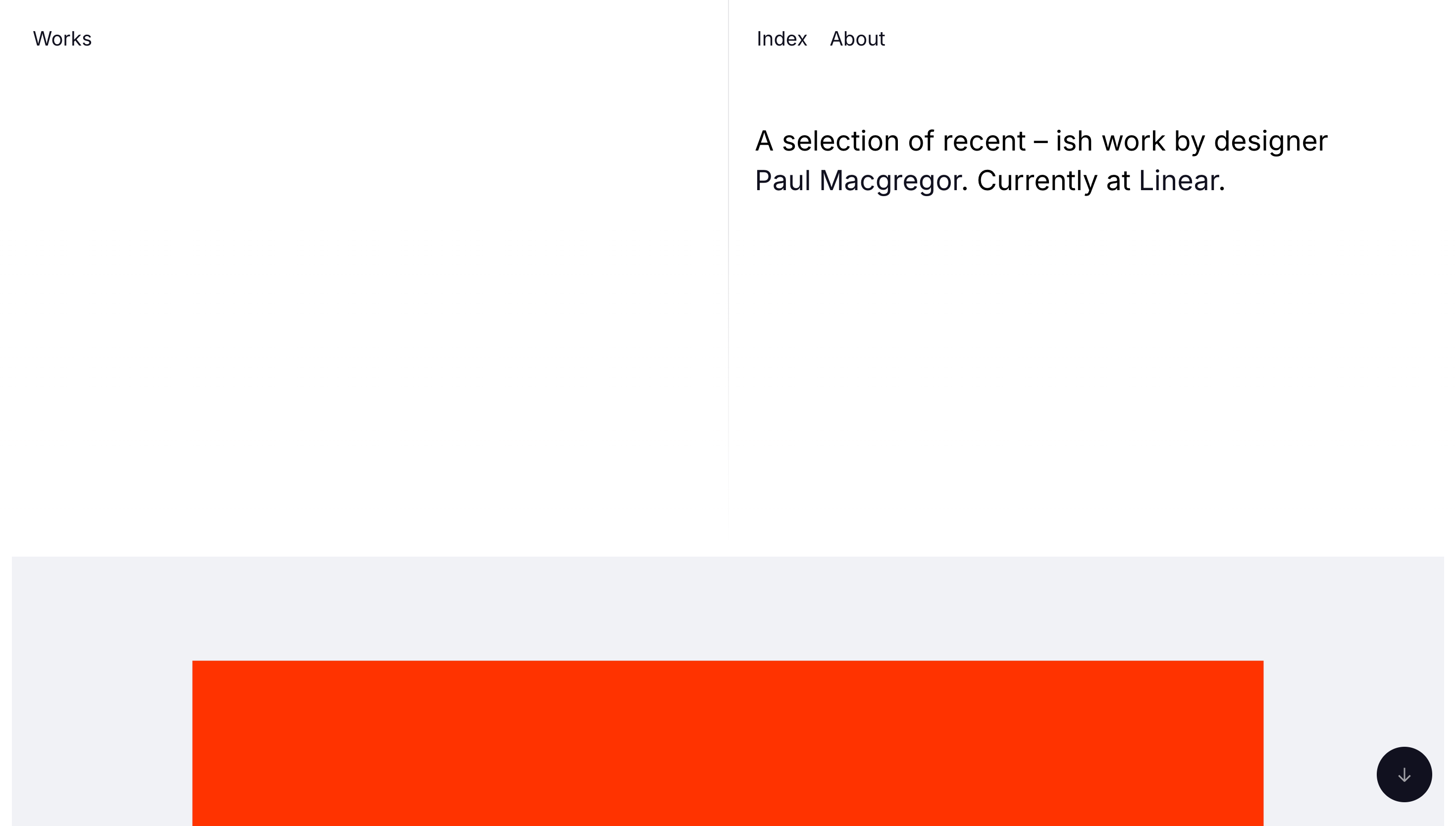
Paul Macgregor
Paul Macgregor is one of the stronger portfolio references in this set because it combines designer, portfolio, web cues with a structure that stays easy to scan. It is especially useful for studying how the designer introduces themselves, sequences work, and keeps personality visible without reducing clarity, not just collecting surface-level visual inspiration.
Alessandro Scarpellini
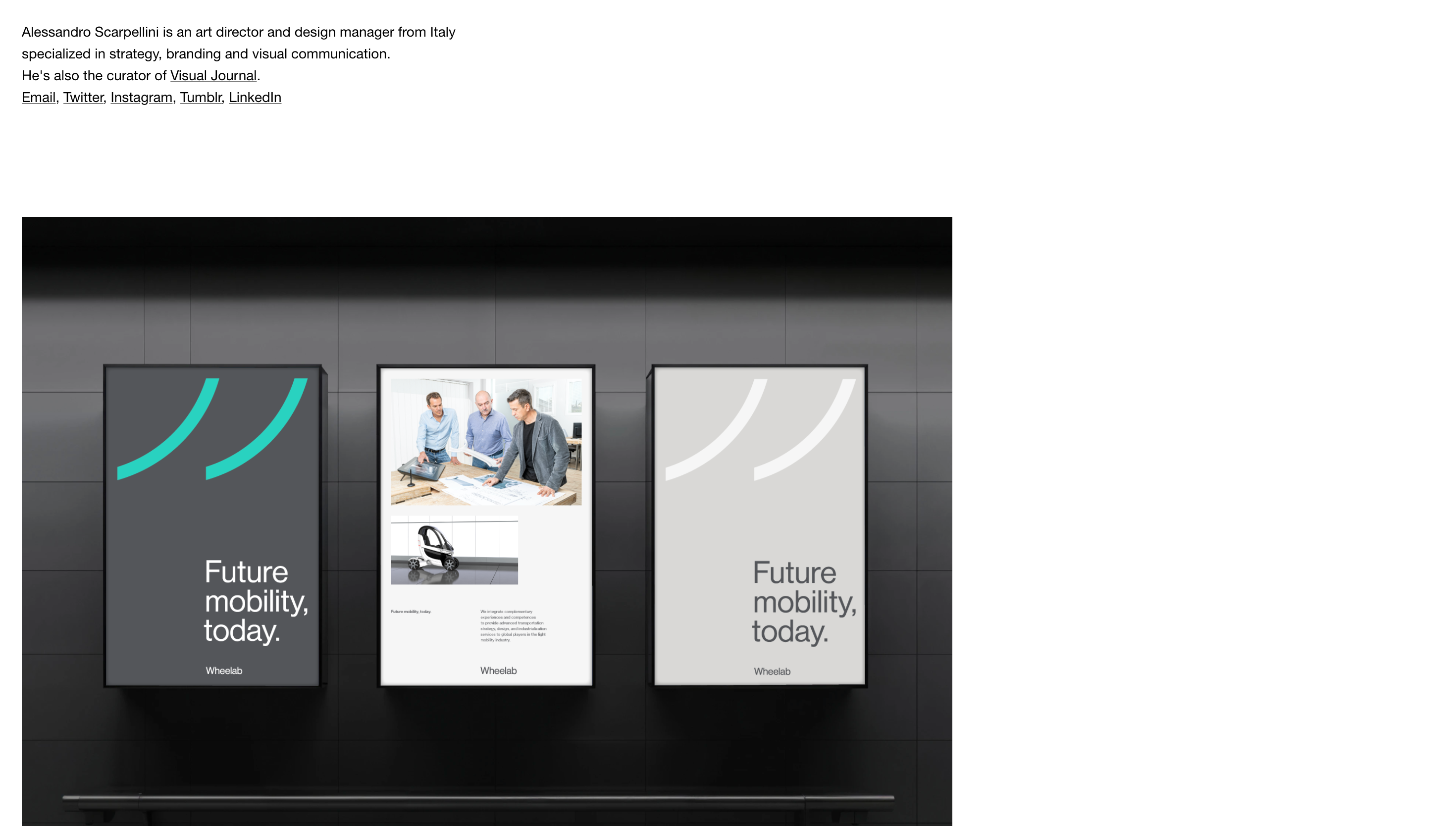
Alessandro Scarpellini is one of the stronger portfolio references in this set because it combines branding, designer, portfolio cues with a structure that stays easy to scan. It is especially useful for studying how the designer introduces themselves, sequences work, and keeps personality visible without reducing clarity, not just collecting surface-level visual inspiration.
Linda Huang
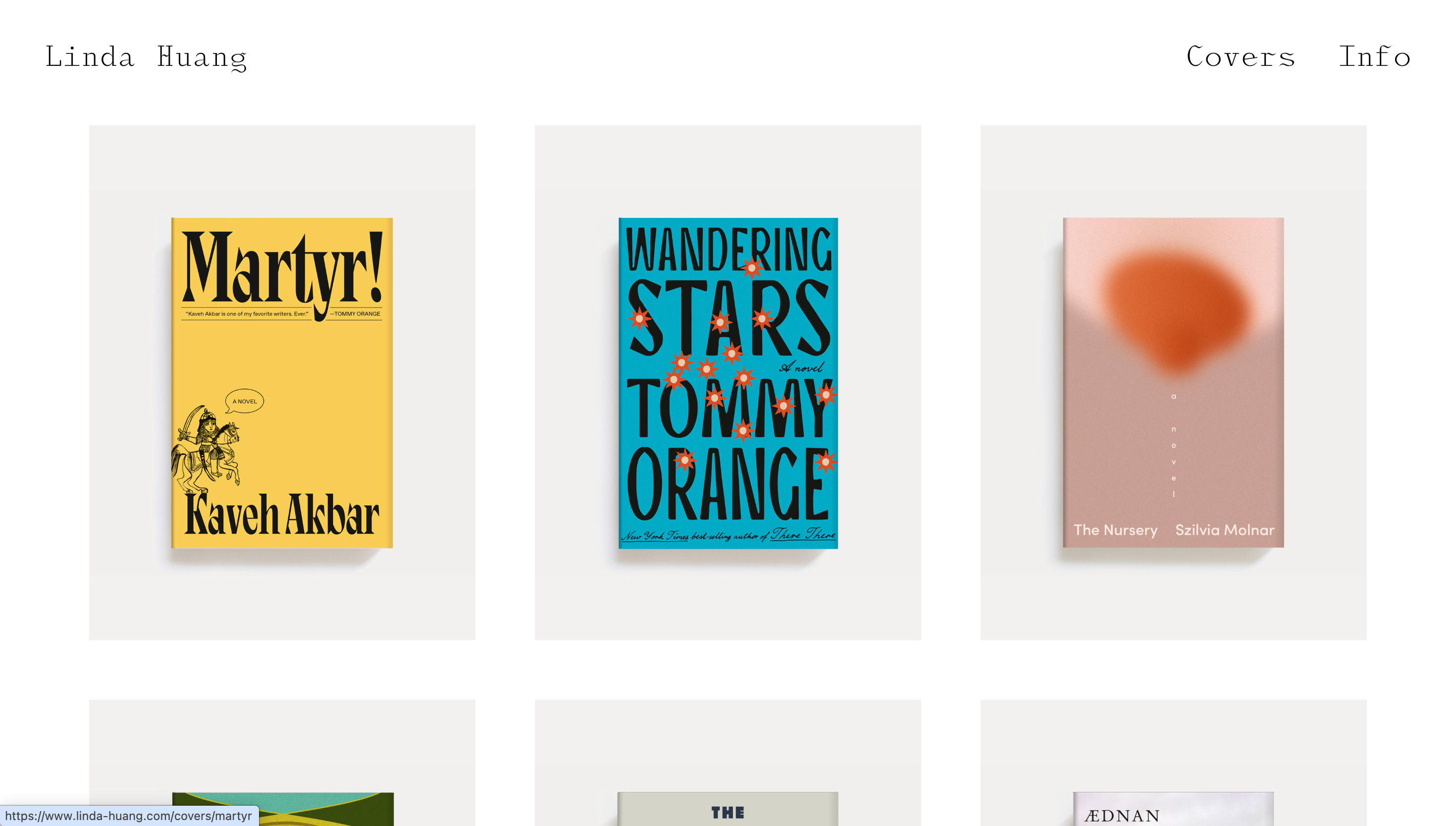
Linda Huang is one of the stronger portfolio references in this set because it combines portfolio, typography, branding cues with a structure that stays easy to scan. It is especially useful for studying how the designer introduces themselves, sequences work, and keeps personality visible without reducing clarity, not just collecting surface-level visual inspiration.
Le:mma Studio
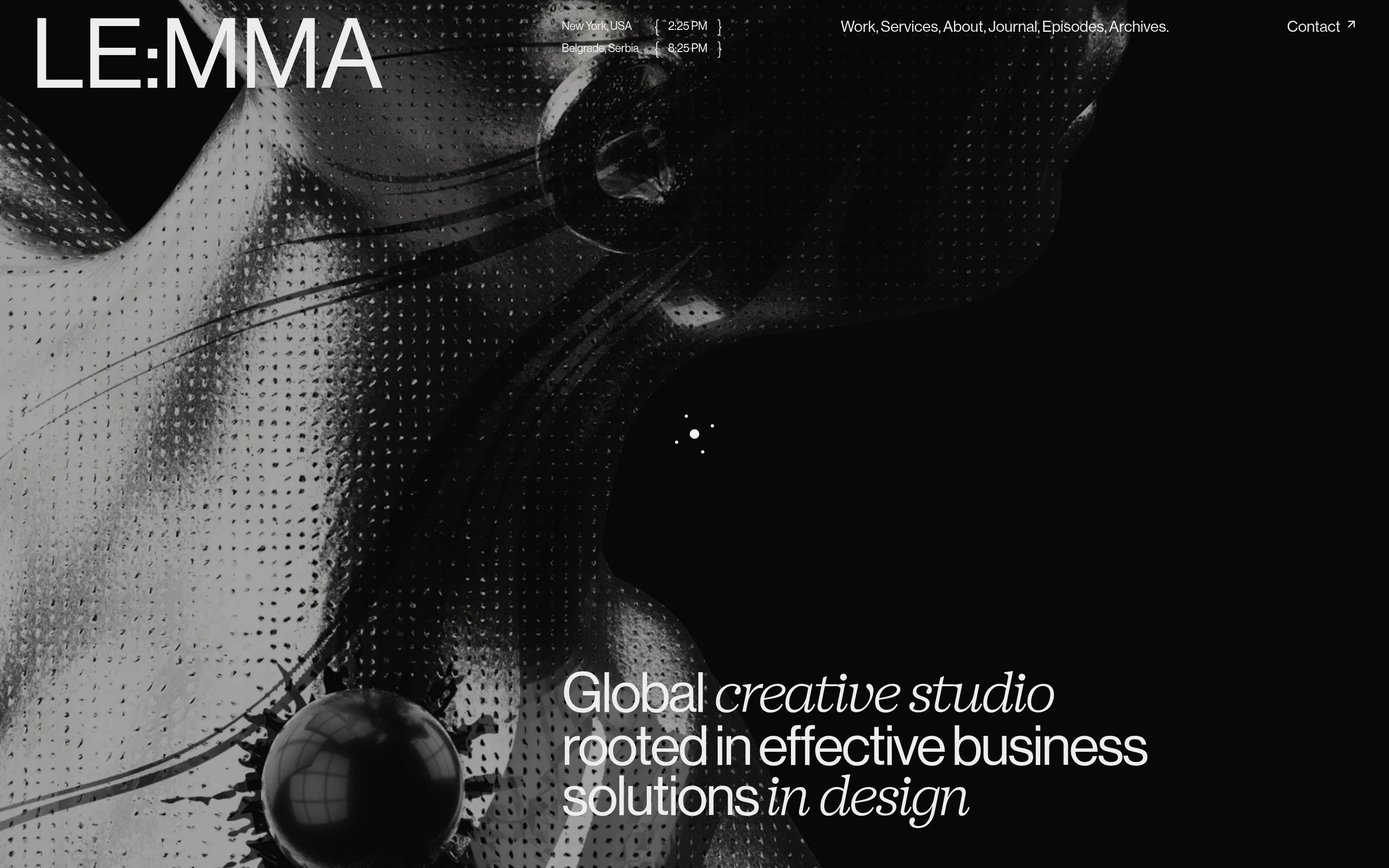
Le:mma Studio is one of the stronger portfolio references in this set because it combines studio, portfolio, motion cues with a structure that stays easy to scan. It is especially useful for studying how the designer introduces themselves, sequences work, and keeps personality visible without reducing clarity, not just collecting surface-level visual inspiration.
Sam George
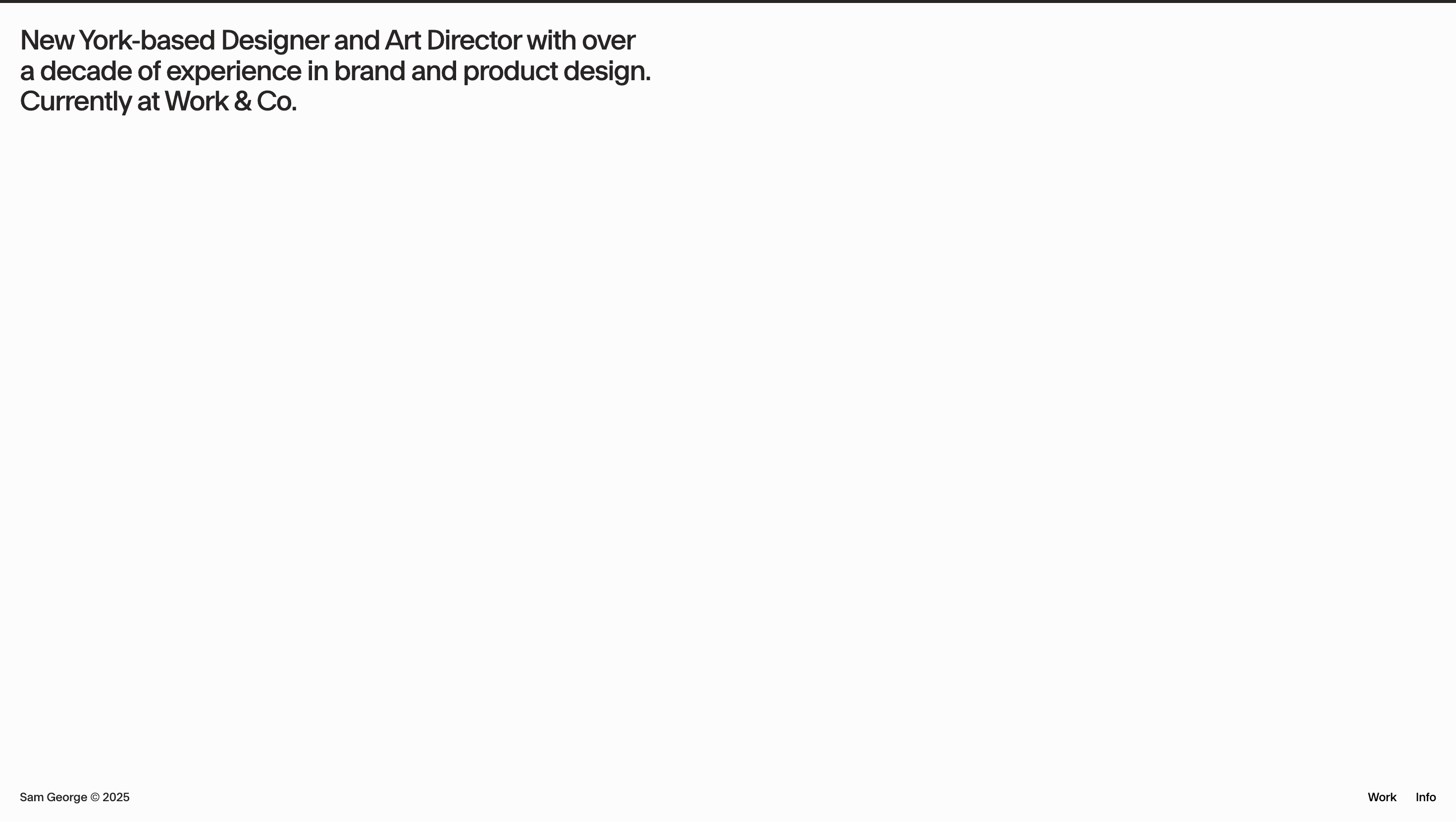
Sam George is one of the stronger portfolio references in this set because it combines portfolio, minimal, motion cues with a structure that stays easy to scan. It is especially useful for studying how the designer introduces themselves, sequences work, and keeps personality visible without reducing clarity, not just collecting surface-level visual inspiration.
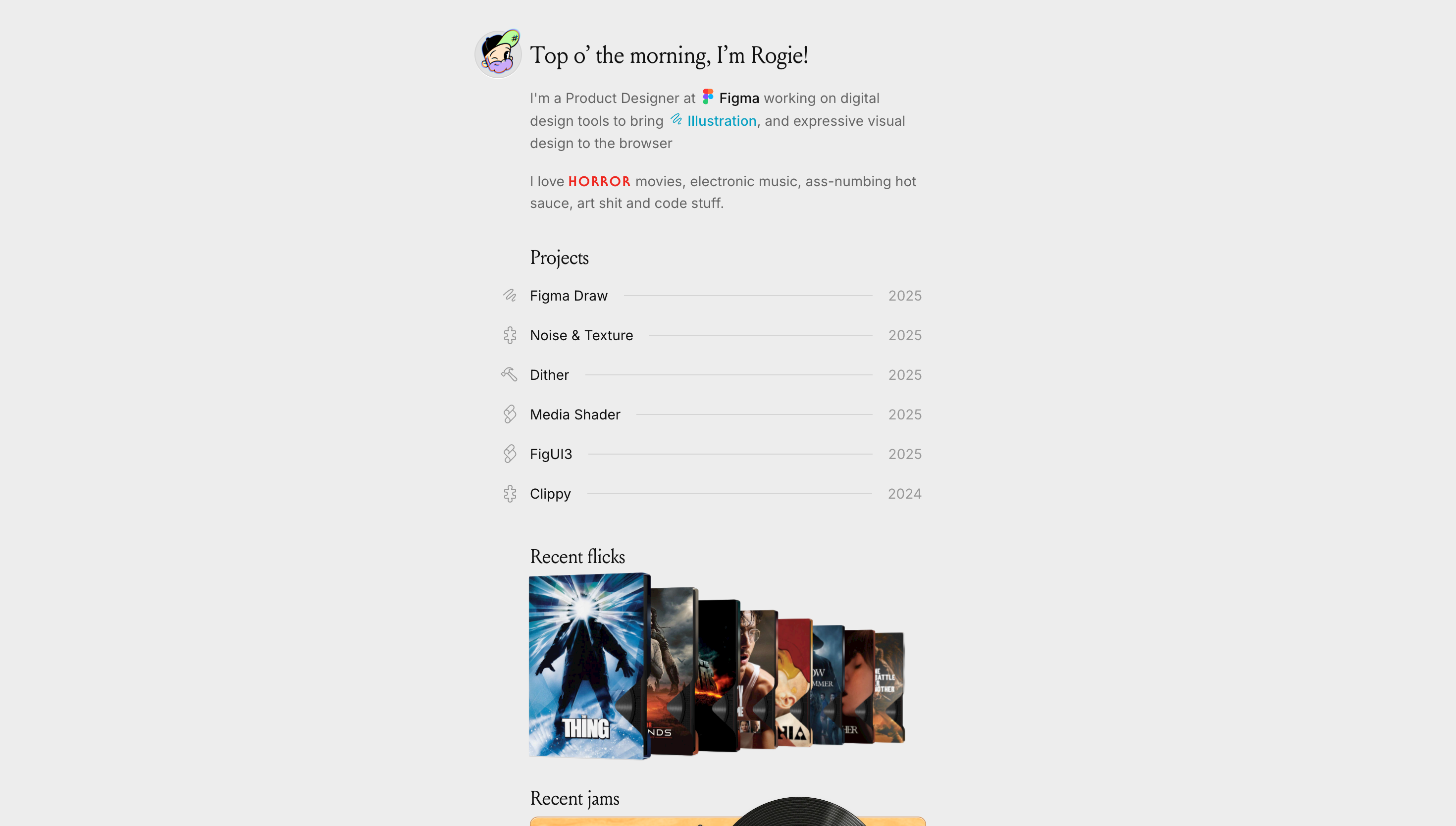
Rogie King
Rogie King is one of the stronger portfolio references in this set because it combines designer, developer, portfolio cues with a structure that stays easy to scan. It is especially useful for studying how the designer introduces themselves, sequences work, and keeps personality visible without reducing clarity, not just collecting surface-level visual inspiration.
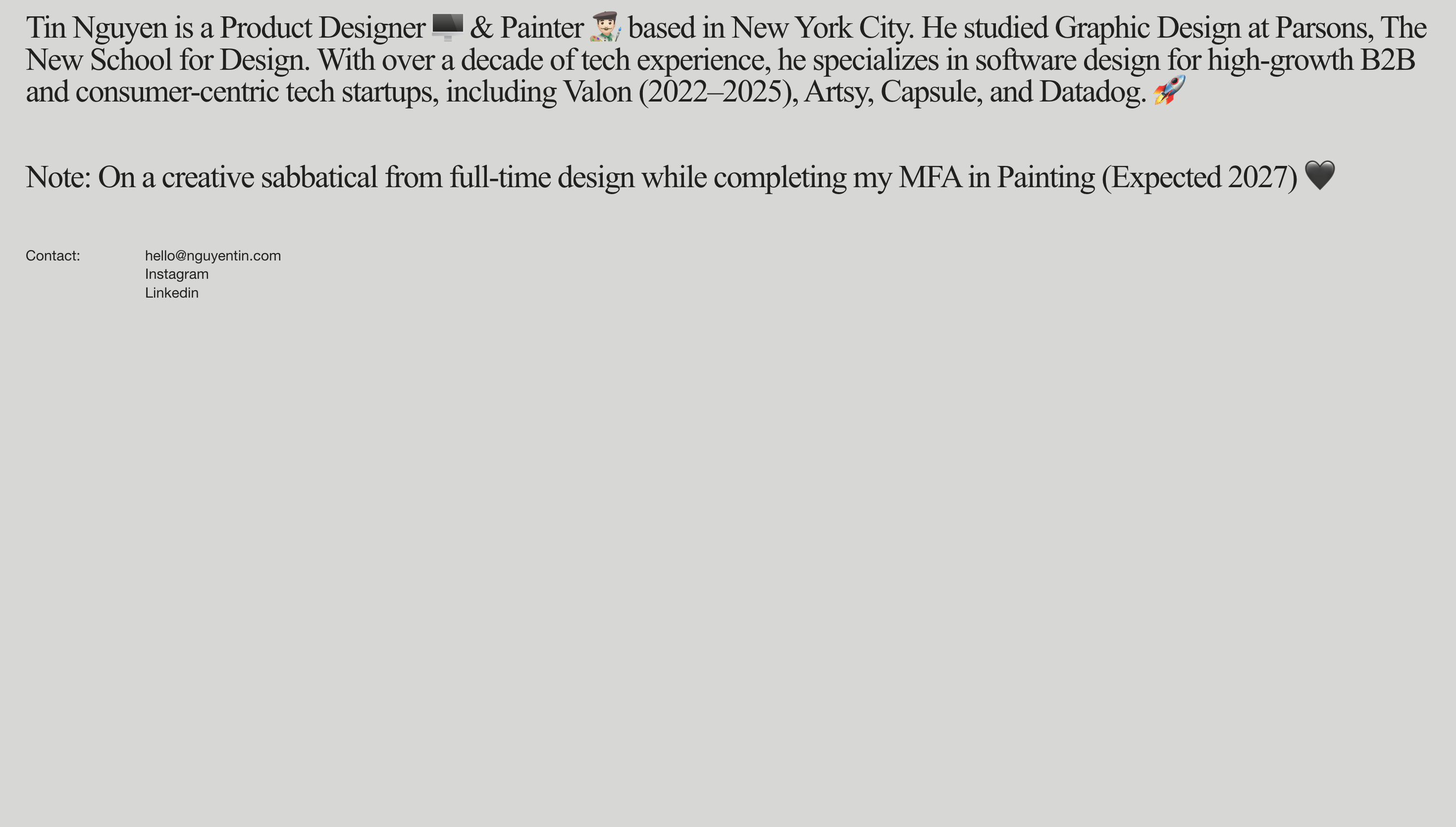
Tin Nguyen
Tin Nguyen is one of the stronger portfolio references in this set because it combines designer, portfolio, product cues with a structure that stays easy to scan. It is especially useful for studying how the designer introduces themselves, sequences work, and keeps personality visible without reducing clarity, not just collecting surface-level visual inspiration.
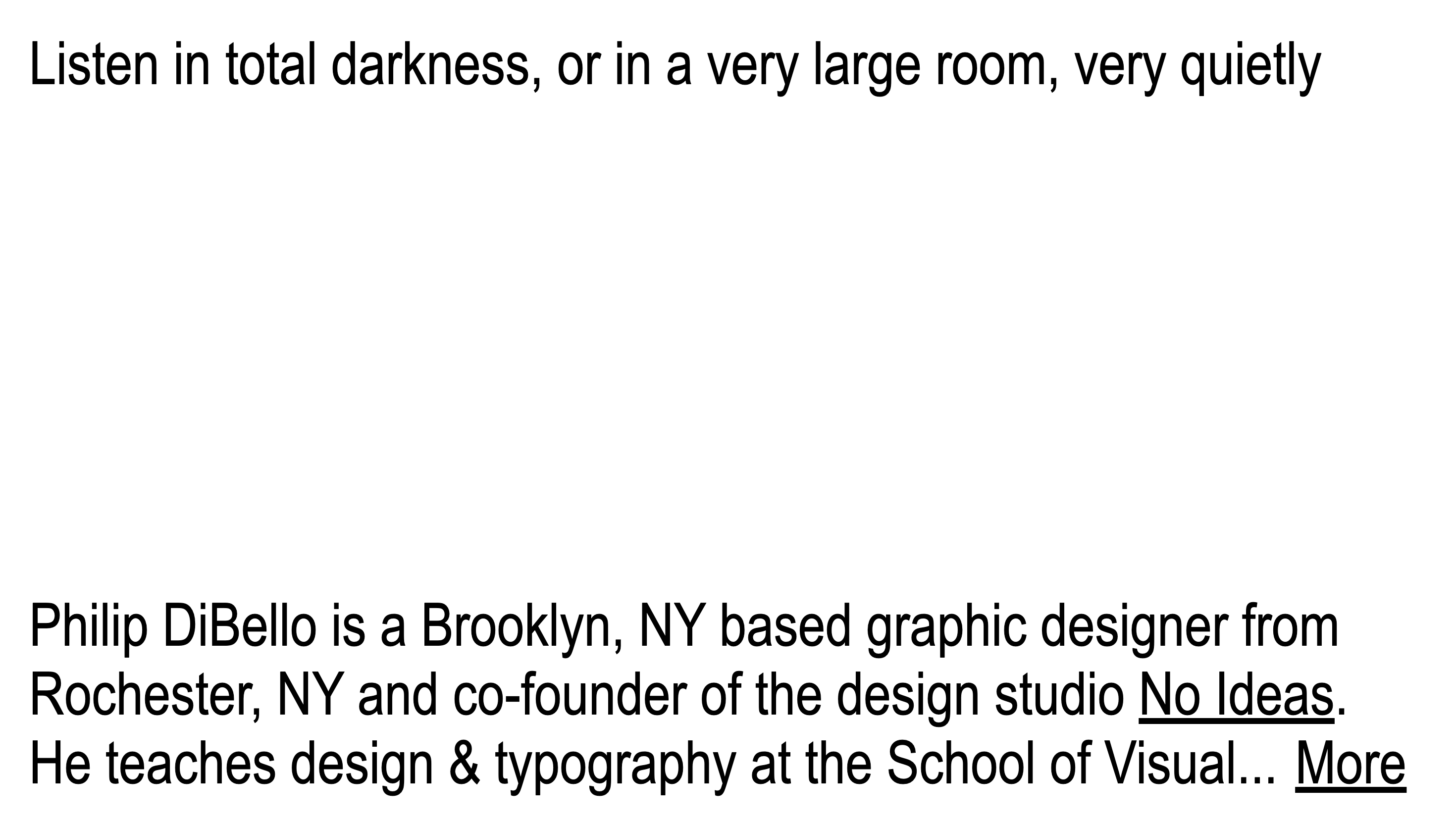
Philip DiBello
Philip DiBello is one of the stronger portfolio references in this set because it combines interactive, branding, portfolio cues with a structure that stays easy to scan. It is especially useful for studying how the designer introduces themselves, sequences work, and keeps personality visible without reducing clarity, not just collecting surface-level visual inspiration.
Emile Ducke
Emile Ducke is one of the stronger portfolio references in this set because it combines portfolio, storytelling, art cues with a structure that stays easy to scan. It is especially useful for studying how the designer introduces themselves, sequences work, and keeps personality visible without reducing clarity, not just collecting surface-level visual inspiration.

Frequently asked questions
What should a portfolio website show first?
A portfolio should show a clear point of view quickly. That usually means a concise positioning line, visible work samples, and immediate signals about who the designer is and what kind of work they do.
How many projects should a designer portfolio include?
Most strong portfolios focus on a smaller set of better-presented work. Three to six high-quality case studies is usually more persuasive than a long list of lightly explained projects.