Web3 & Crypto Website Design
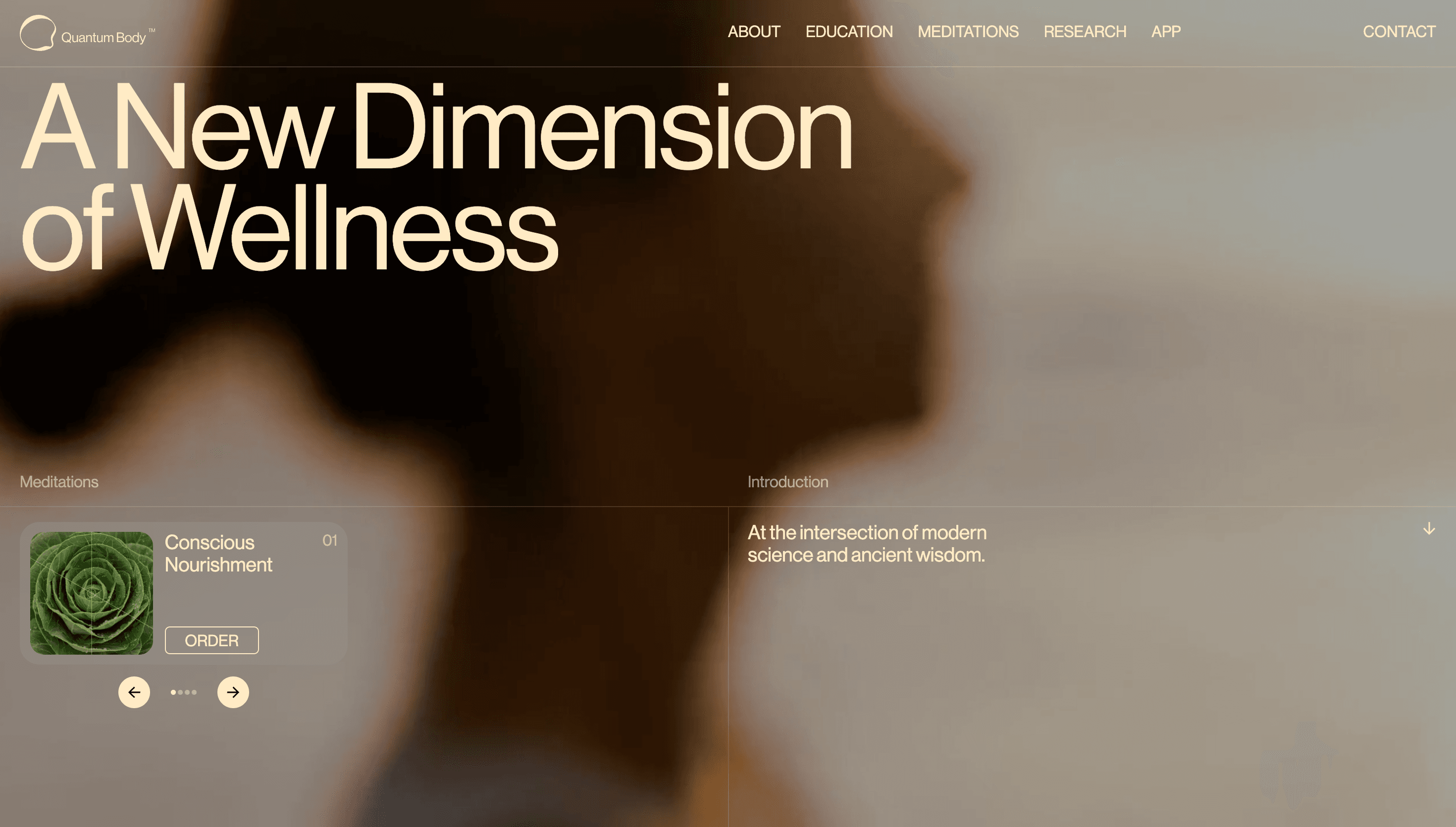
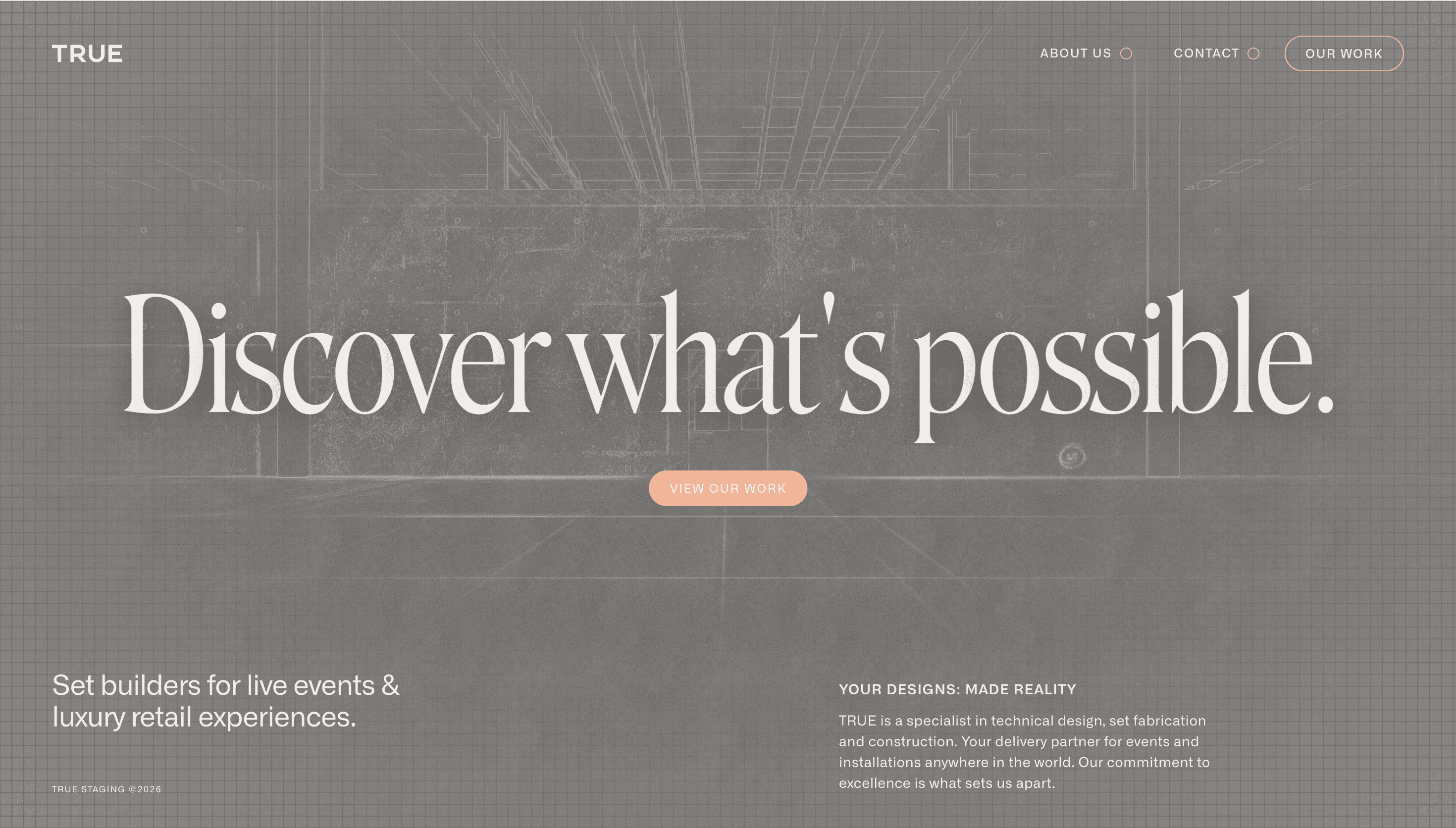
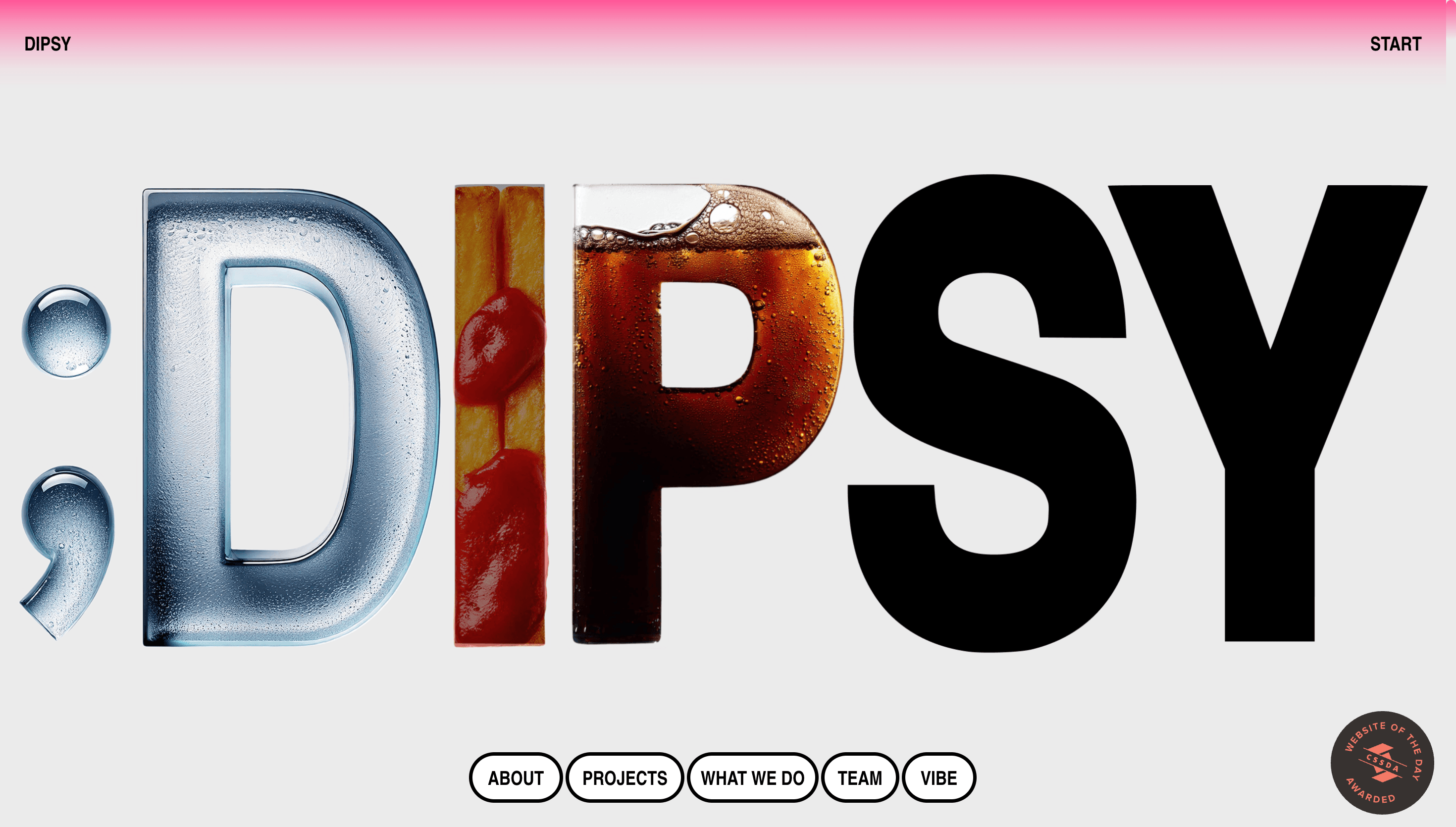
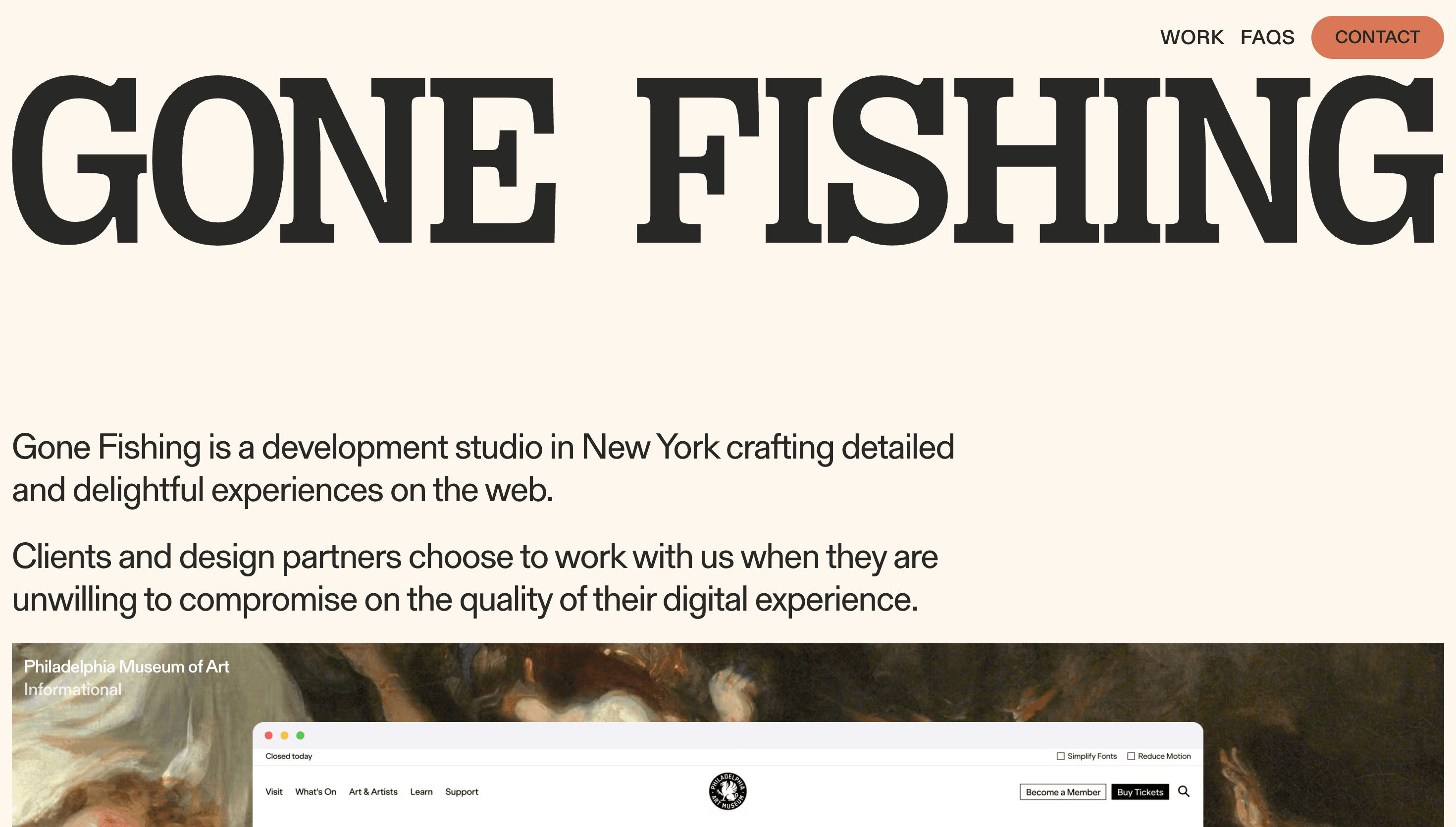
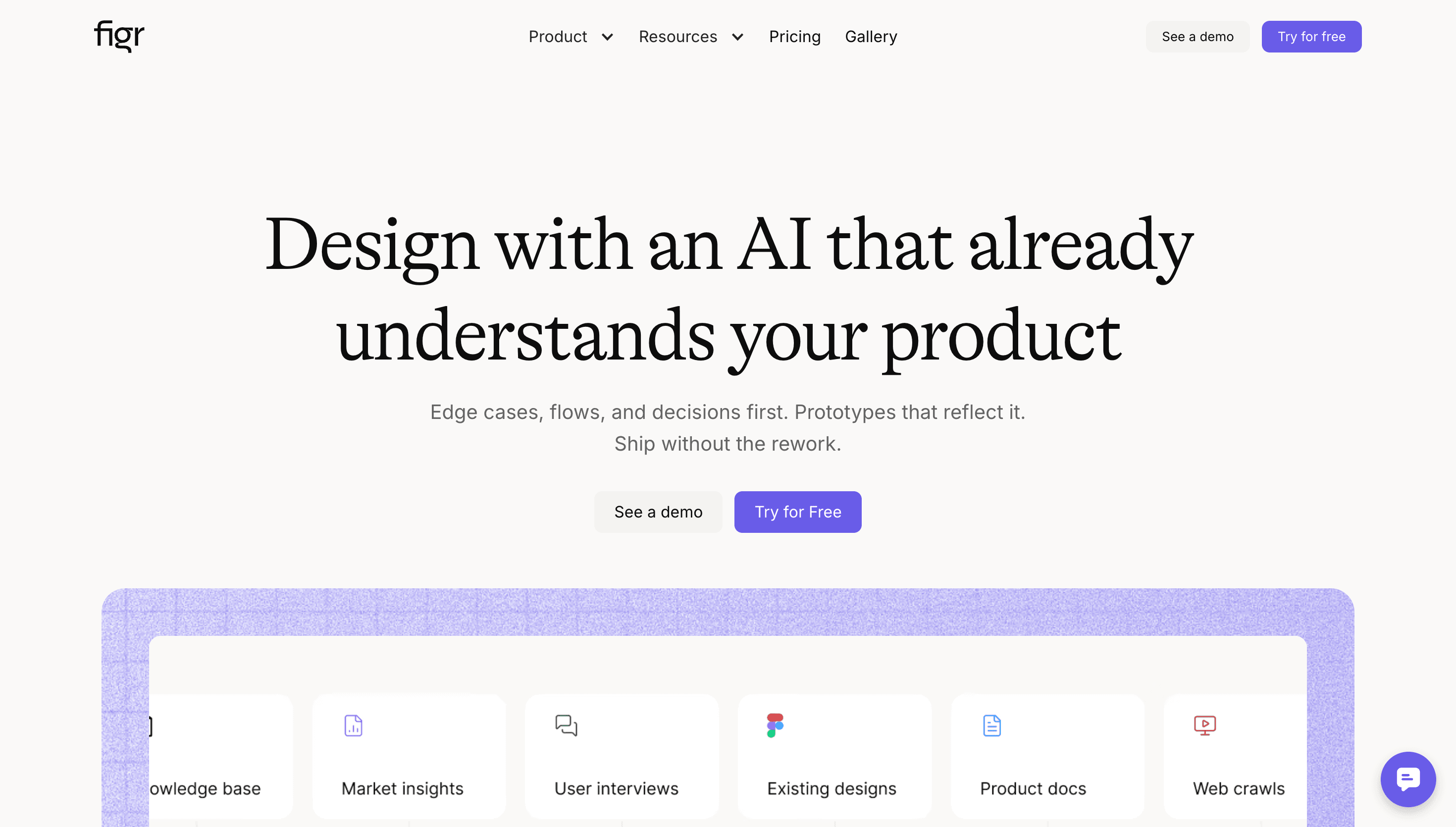
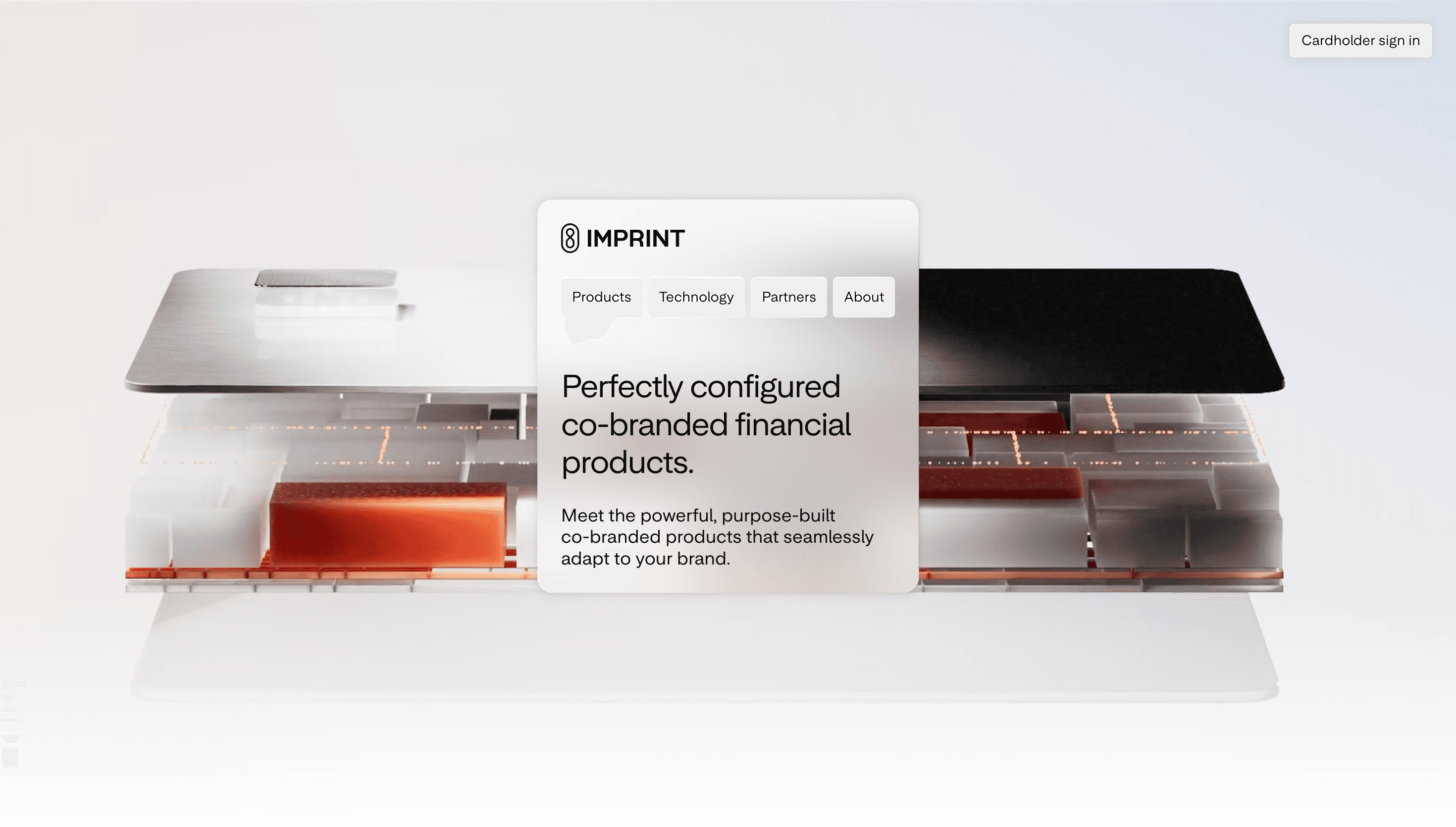
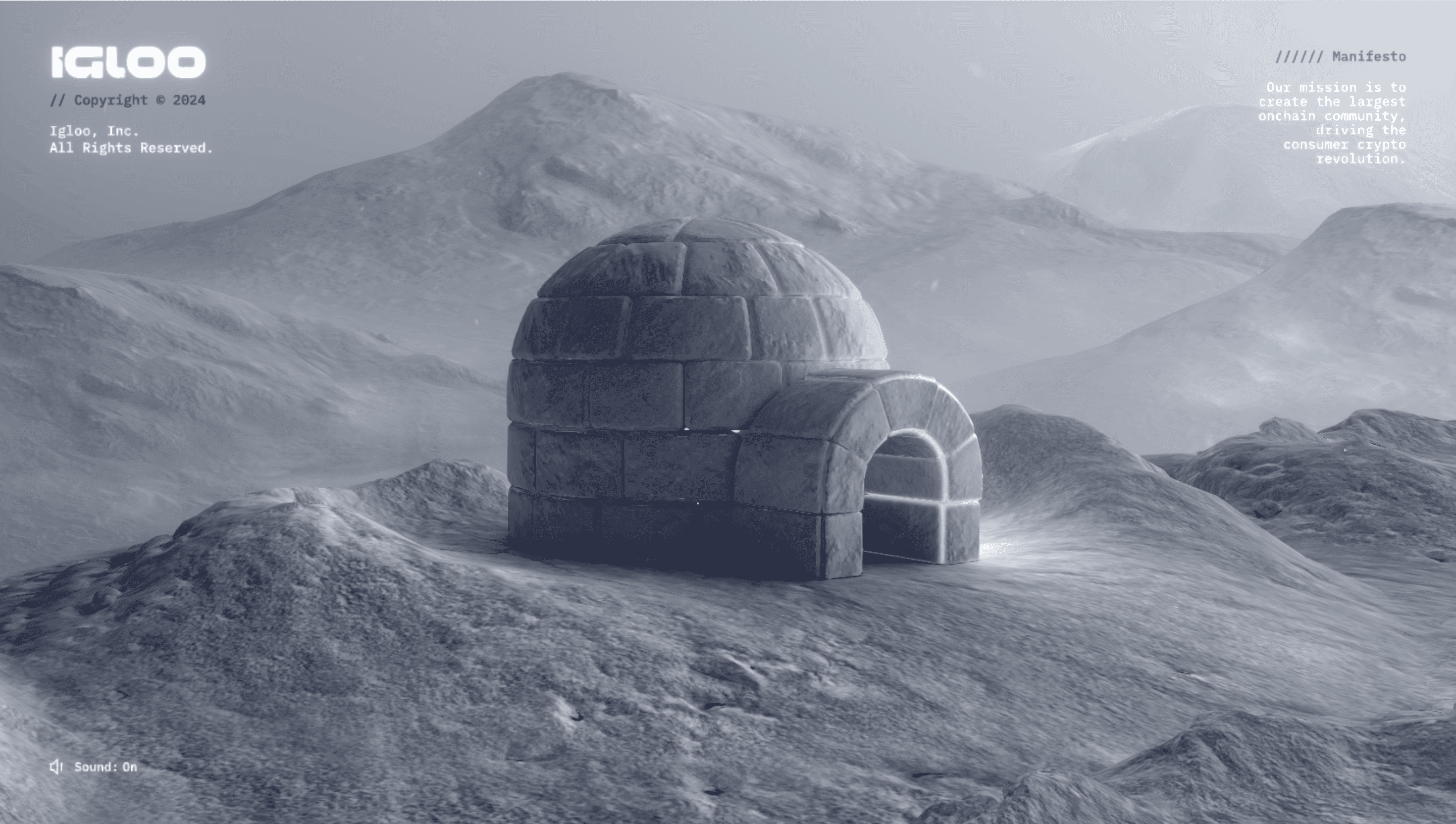
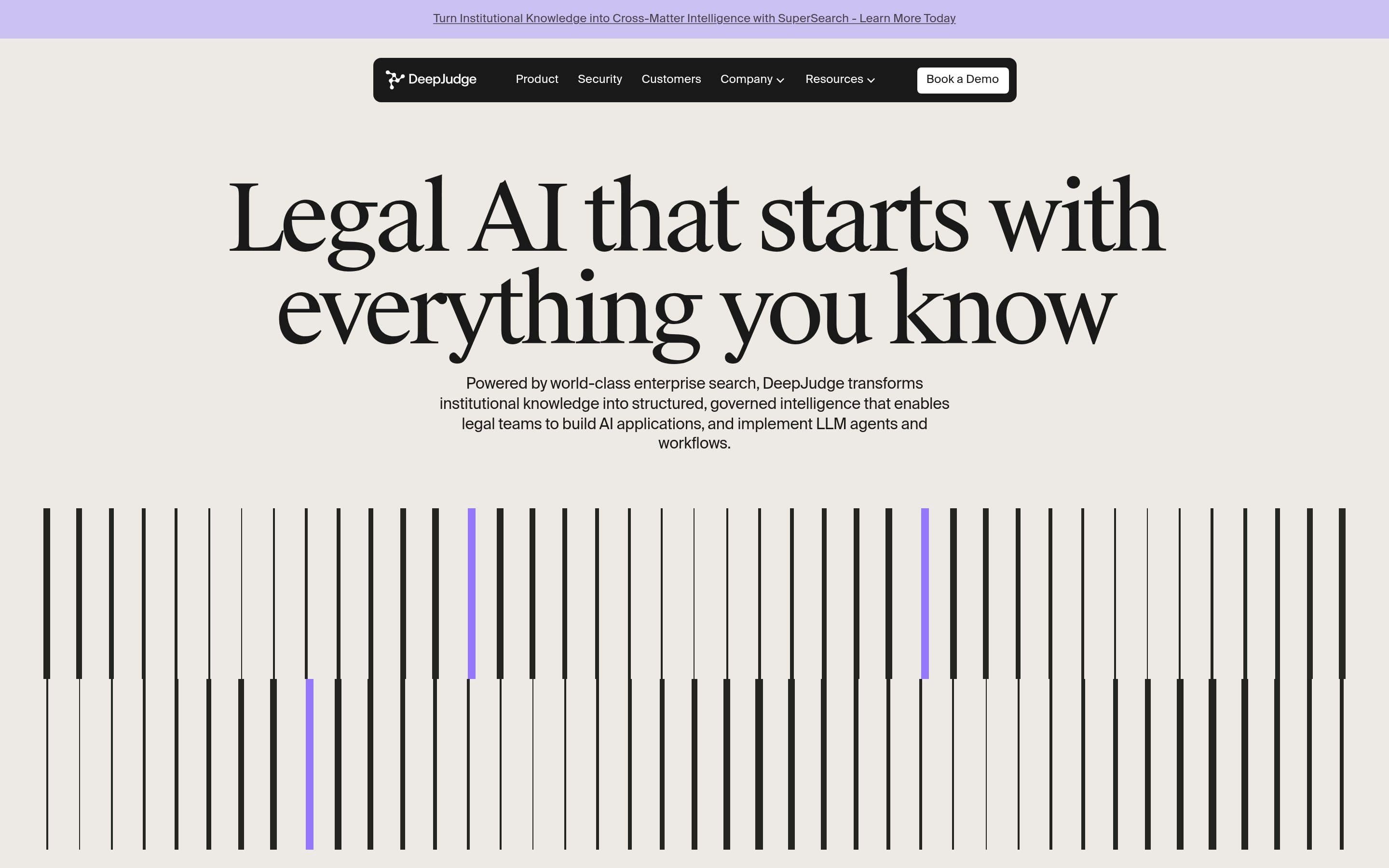
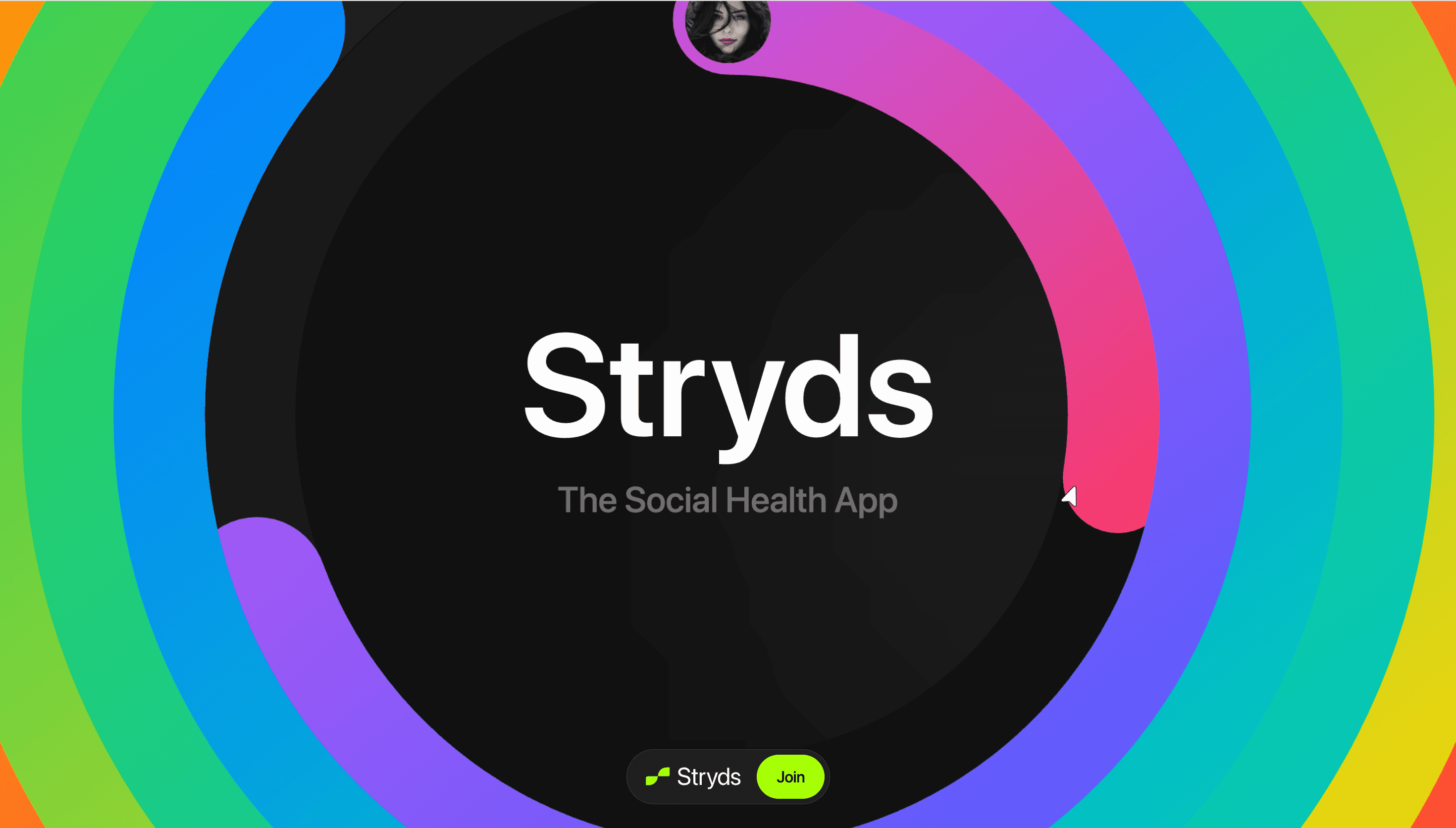
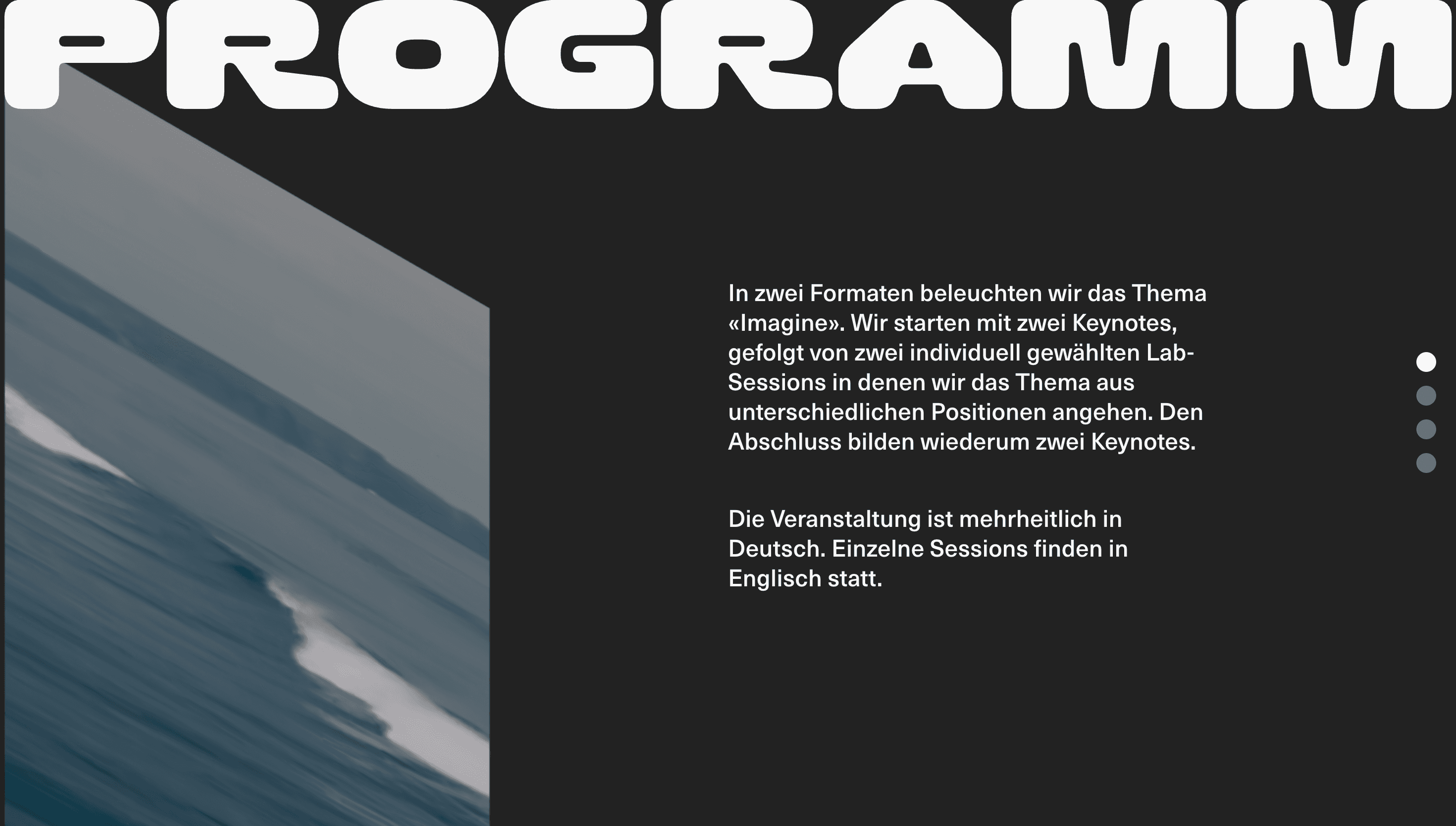
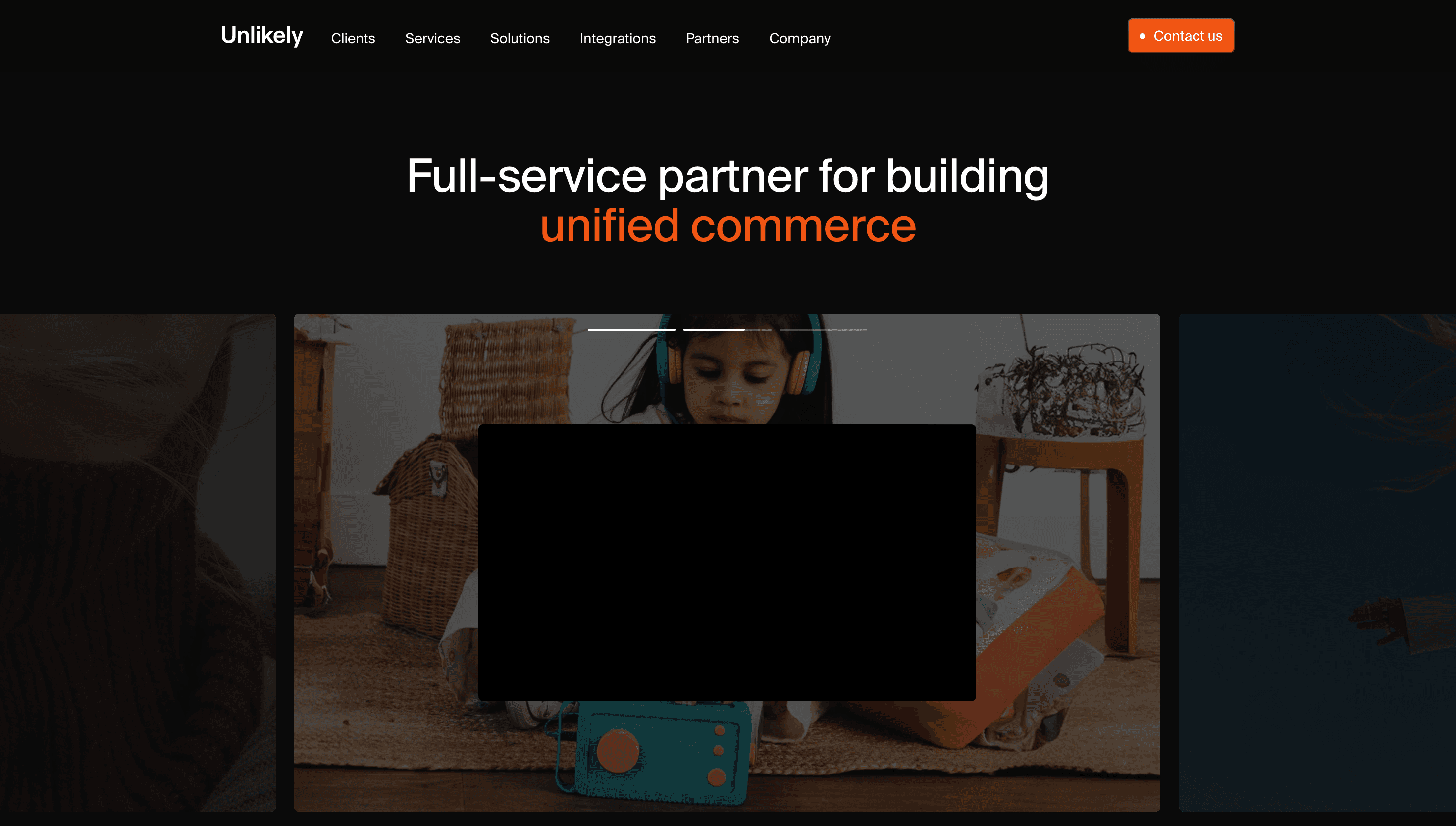
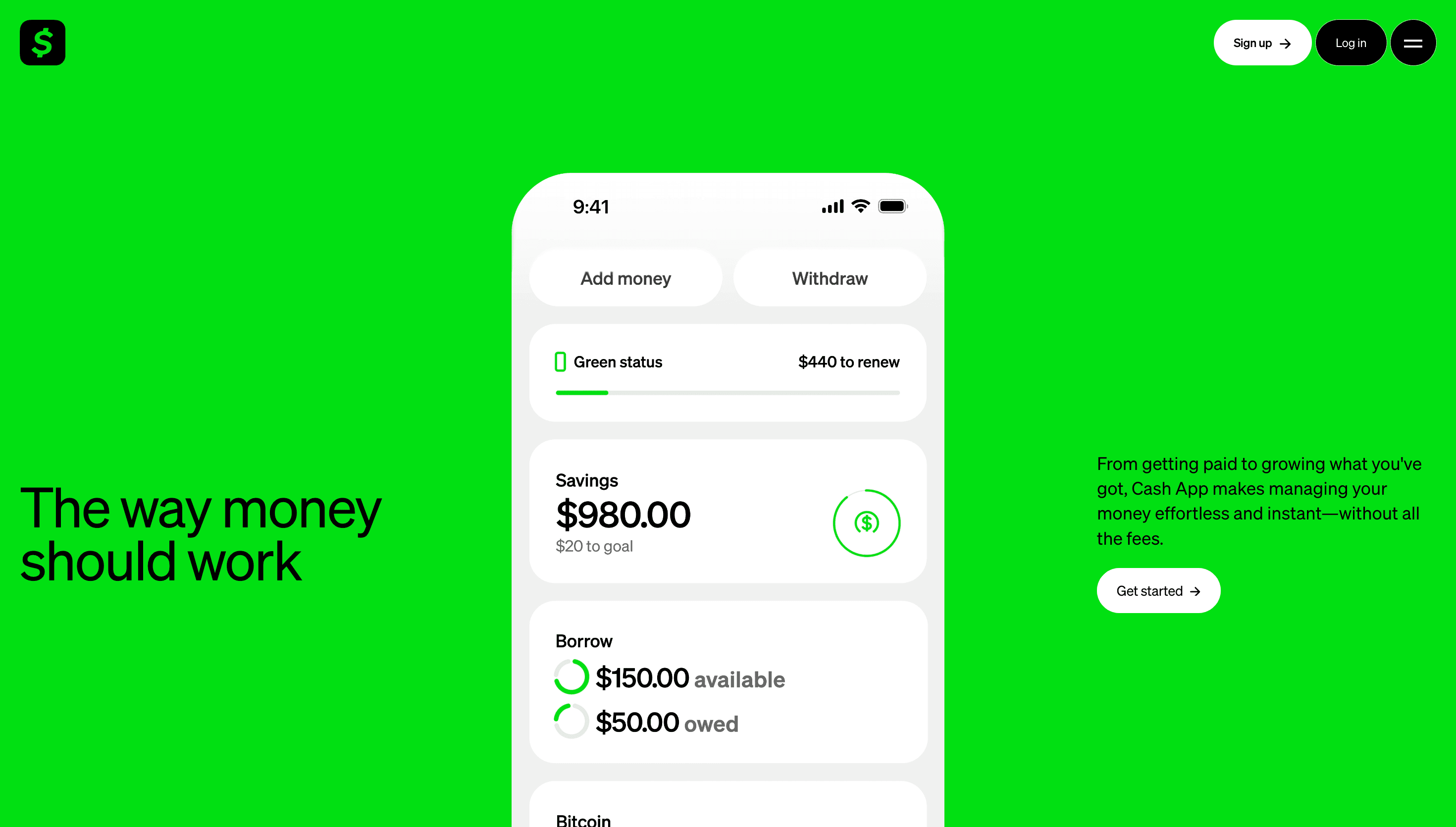
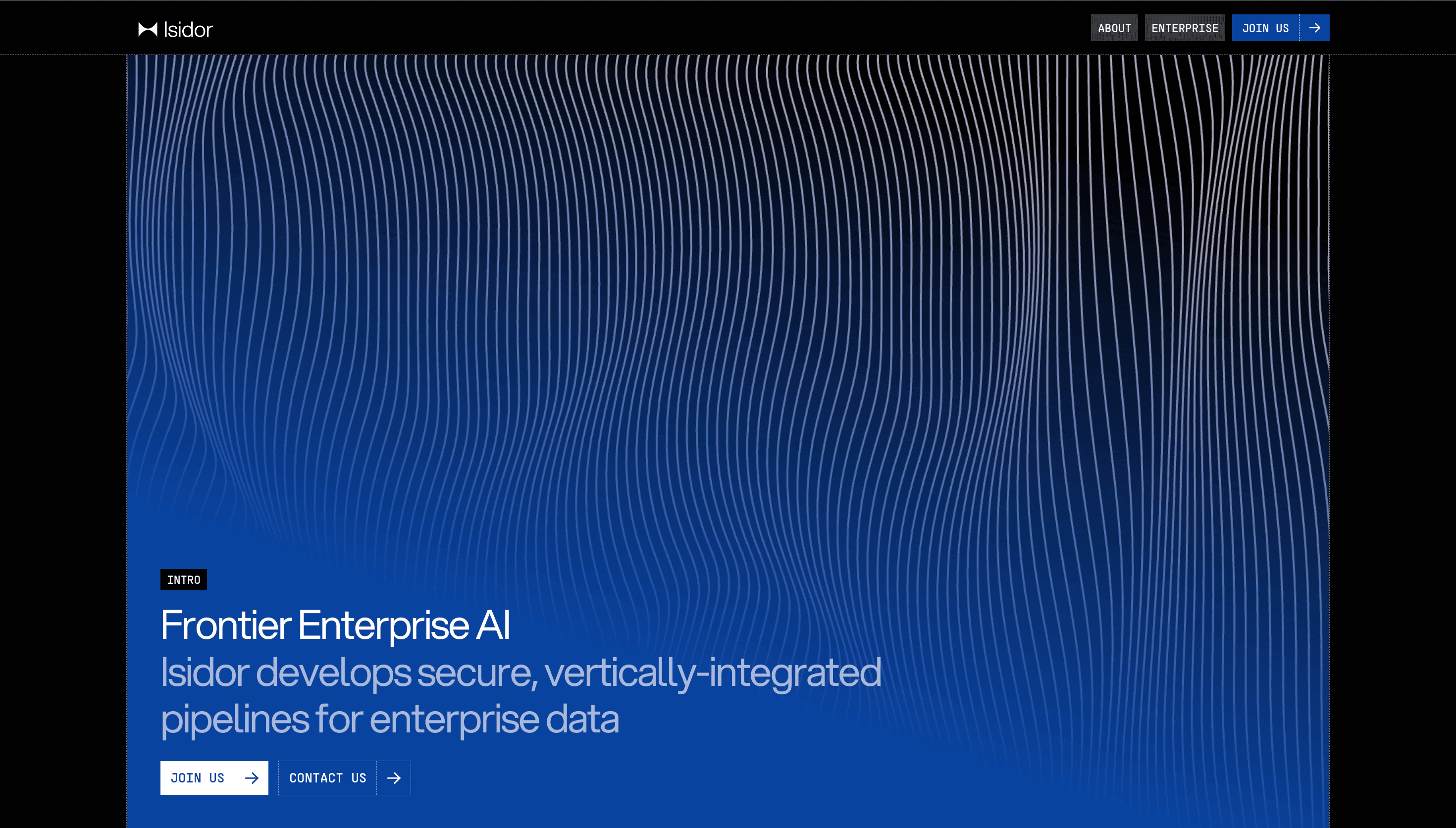
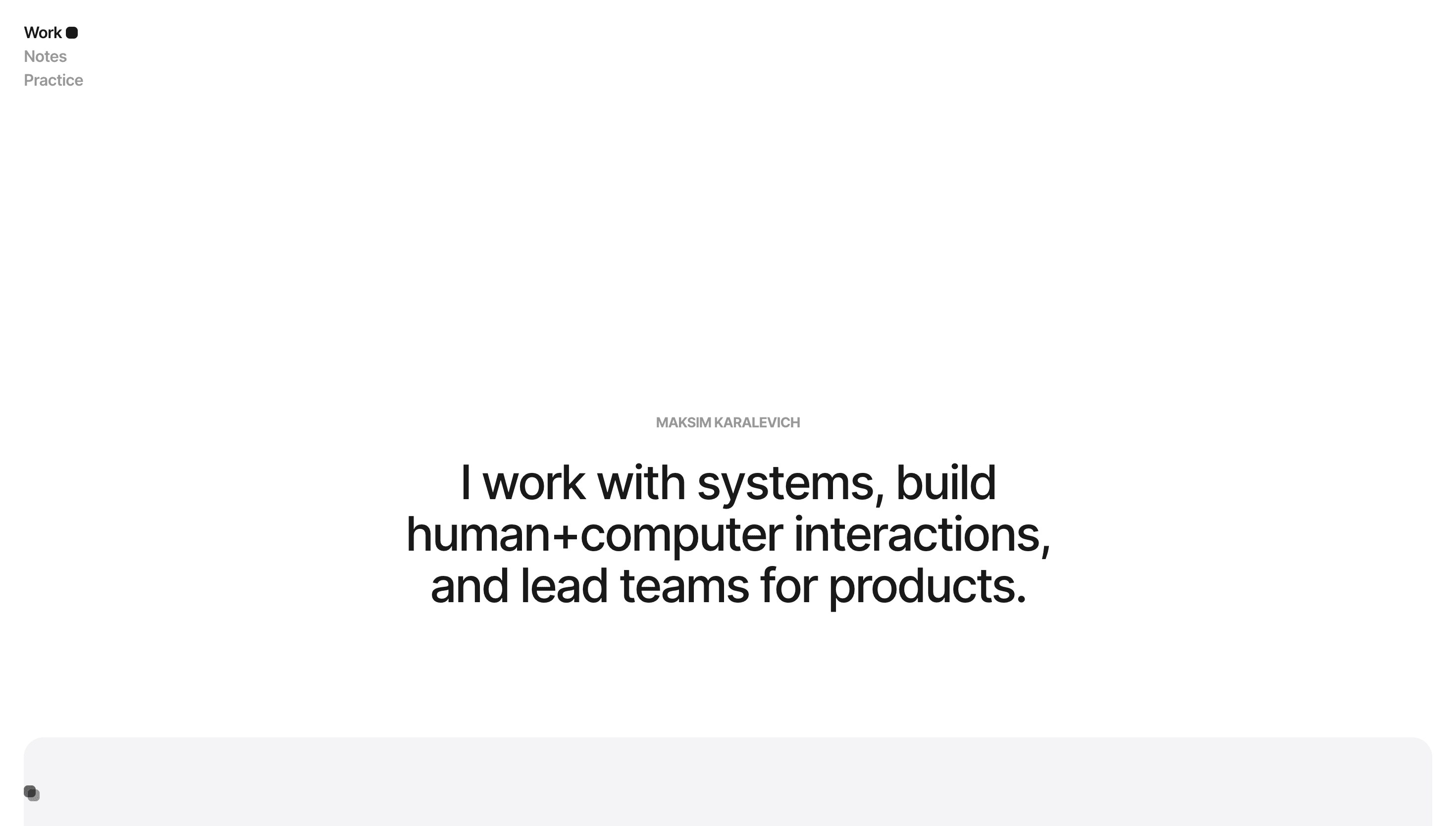
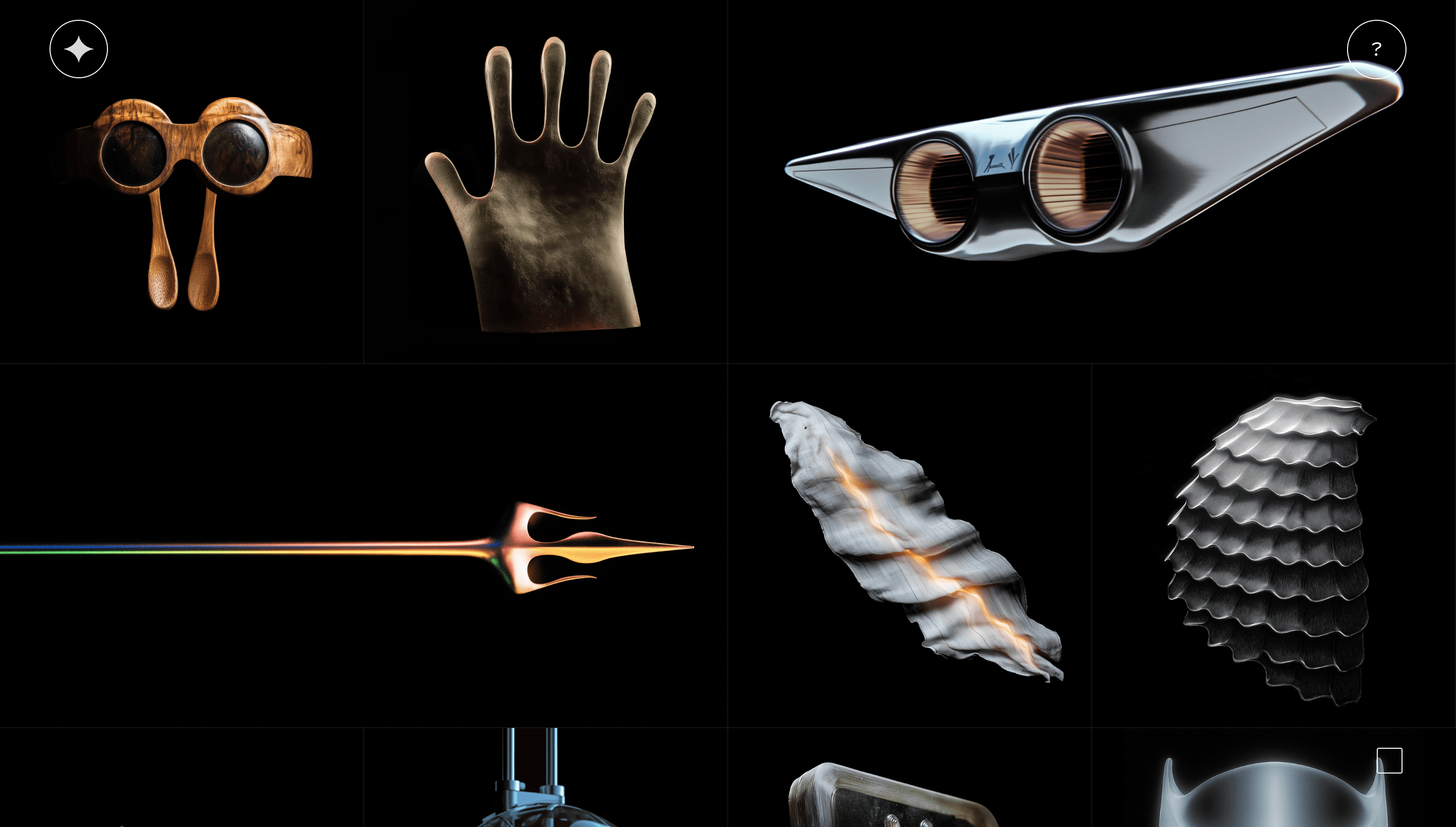
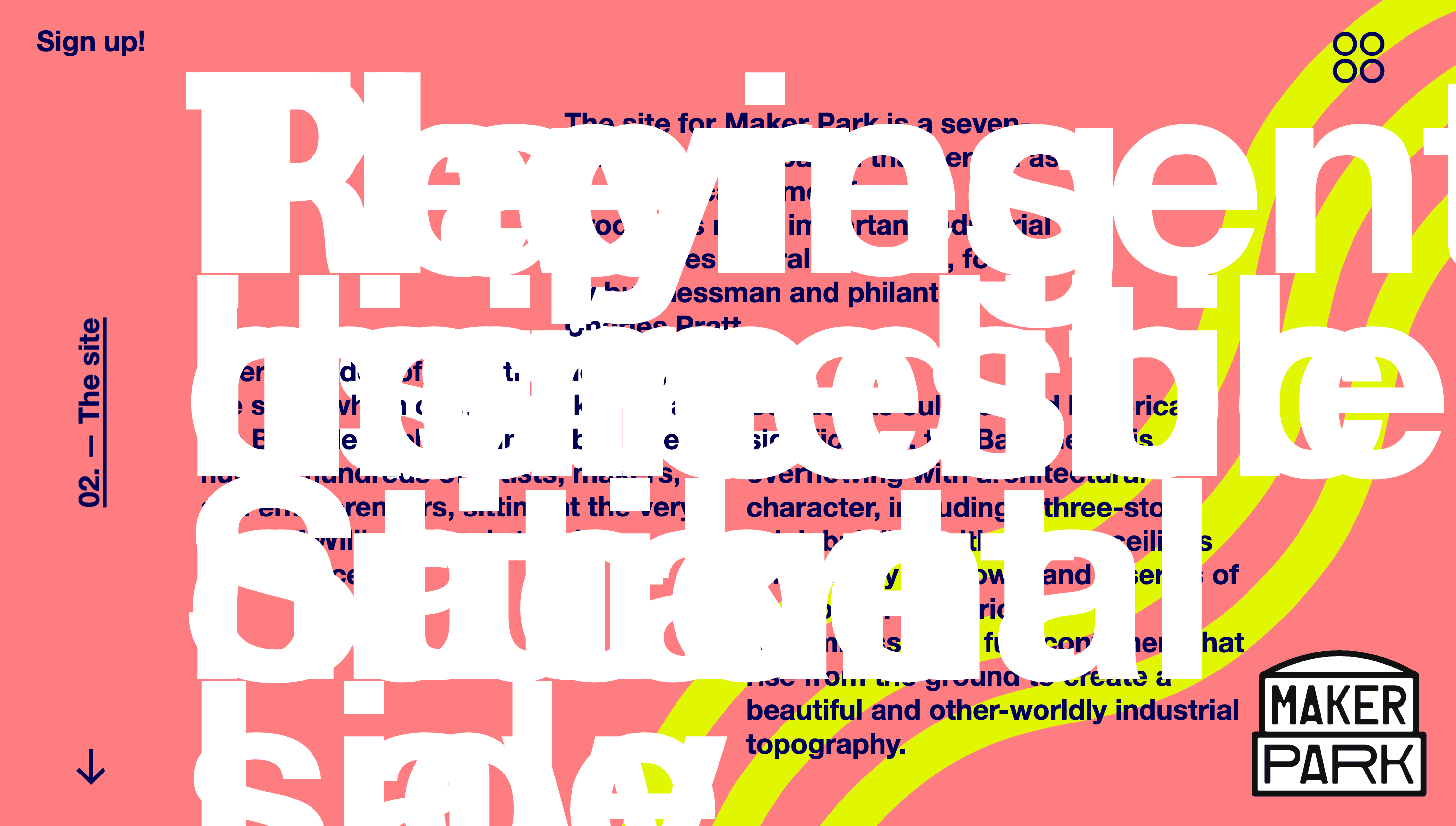
Web3 and crypto products often face a communication gap between technical depth and mainstream usability. This collection highlights website design examples that close that gap through clear structure, visual hierarchy, and transparent language. Review how these projects introduce protocols, wallets, or token utilities in simple steps before asking users to connect, sign, or commit. Strong Web3 websites usually combine futuristic aesthetics with familiar interaction patterns, reducing friction for first-time visitors. Another recurring strategy is trust framing: teams surface audits, ecosystem partners, and roadmap context where users evaluate credibility. You can also study how complex architecture, governance, and incentive models are translated into concise diagrams or layered sections. Use this set when designing crypto exchanges, developer platforms, DeFi tools, or blockchain product pages. It provides practical references for balancing innovation signals, education, and conversion-oriented UX in a category where confidence and clarity drive adoption.